
Sweet potatoes can generally be eaten after sprouting, but their nutritional value and taste may be affected. Sweet potato sprouts are different from potatoes in that their sprouts themselves do not contain highly toxic substances such as solanine. Therefore, sweet potatoes with simple sprouts can usually be consumed with the remaining flesh after removing the bud eye and surrounding parts. In most cases, sweet potatoes grow buds because the storage environment has a high temperature or humidity, which causes nutrients from the roots to transfer to the bud points. At this time, sweet potatoes may experience water loss, decreased sweetness, or a softer texture. As long as the skin is intact, without black spots, mold, and odor, it is safe to consume them after thorough heating and cooking. In rare cases, if sweet potatoes are accompanied by surface blackening, mold growth, texture decay, or emit obvious alcohol and bitter flavors while sprouting, it indicates that the sweet potato has undergone serious microbial contamination or internal deterioration, producing harmful substances such as sweet potato ketone. In this case, regardless of whether it has sprouted or not, it must not be consumed, otherwise it may cause symptoms of food poisoning such as nausea, vomiting, and abdominal pain. In addition, sweet potatoes with more sprouts often mean that their internal starch and sugar have been consumed in large quantities, greatly reducing their edible value. It is recommended to prioritize choosing fresh and plump sweet potatoes.
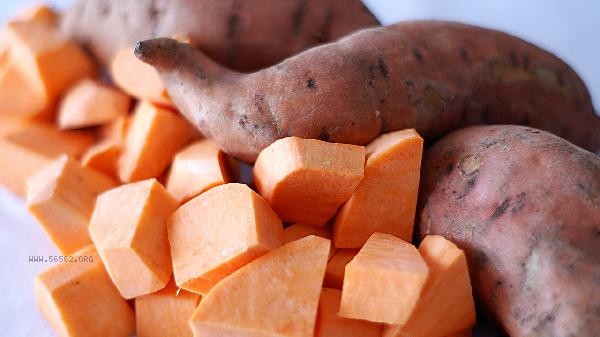
When storing sweet potatoes in daily life, they should be placed in a cool, dry, and well ventilated environment, avoiding direct sunlight and high temperature and humidity to delay the process of germination and decay. When purchasing, individuals with smooth skin, no damage, and no black spots should be selected. If individual sweet potatoes begin to sprout slightly, the bud eyes can be removed as soon as possible and cooked for consumption. Do not store for a long time. For sweet potatoes that have already shown obvious signs of decay, mold, or odor deterioration, they must be discarded decisively and should not be consumed recklessly due to conservation, in order to avoid damaging their health. At the same time, sweet potatoes are good but have a high sugar content. People with diabetes and people with weak gastrointestinal function should pay attention to eating them in moderation. It is best to take them together with protein and vegetables to keep blood sugar stable and promote digestion and absorption.






Comments (0)
Leave a Comment
No comments yet
Be the first to share your thoughts!