
Sweet potato peels are generally edible, and moderate consumption can help supplement dietary fiber and vitamins. The edible safety of sweet potato peel mainly depends on the variety of sweet potato, planting environment, skin integrity, cooking method, and individual digestive ability.

1. Variety Differences
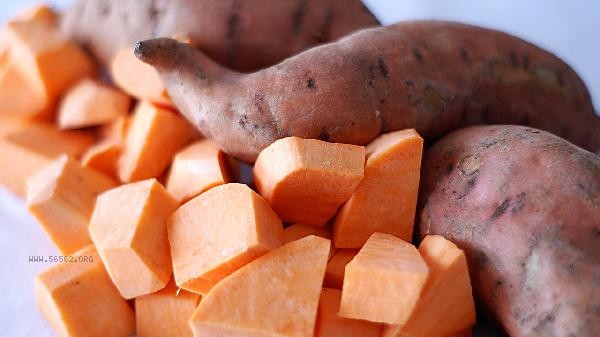
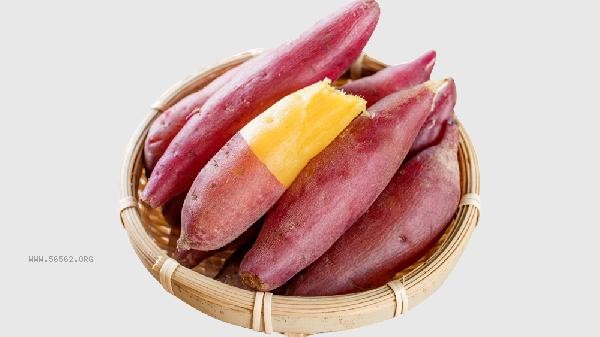
There are significant differences in the skin thickness and taste of different varieties of sweet potatoes. Some thin skinned varieties, such as red heart sweet potatoes, have a soft and sticky texture after thorough cleaning and high-temperature steaming, which can be directly consumed and provide rich anthocyanins. However, some thick skinned varieties or aged sweet potatoes have rough skin fibers, which may affect the swallowing experience when consumed directly. It is recommended to decide whether to retain the skin based on the specific characteristics of the variety. If you pursue a delicate taste, you can choose to eat without skin.
2. Planting Environment
Sweet potatoes grow in soil, and their skin is prone to sediment or heavy metal pollution. If the soil quality in the planting area is poor, harmful substances may remain on the skin. Before consumption, the surface dirt must be thoroughly cleaned. For sweet potatoes with unknown sources or concerns about pesticide residues, it is recommended to peel off the outer skin to avoid potential risks, ensure safe ingestion, and avoid long-term accumulation that may have adverse effects on health.
3. Complete Skin
A complete sweet potato skin can effectively protect the internal flesh from bacterial invasion. If there are black spots, mold, or damage to the skin, it indicates that the sweet potato may have been infected with bacteria or produced toxins. At this time, it is absolutely not recommended to eat it with the skin intact. Substances such as sweet potato ketone produced by black spot disease are resistant to high temperatures and cannot be destroyed by ordinary cooking. Ingestion may cause poisoning symptoms such as nausea and vomiting. If such a situation is found, the affected area should be promptly removed or discarded.
4. Cooking Methods
Cooking methods directly affect the eating experience and safety of sweet potato skins. High temperature baking or long-term steaming can soften the skin, reduce fiber sensation, and facilitate digestion and absorption. In contrast, raw or undercooked sweet potato skins are difficult to decompose by the gastrointestinal tract, which can easily cause bloating or indigestion. It is recommended to use methods such as steaming, boiling, and baking to fully heat the skin, making it easier for the nutrients in the skin to be released and utilized by the human body.
5. Digestive Ability
The strength of an individual's gastrointestinal function determines whether they can digest sweet potato peels smoothly. Moderate consumption of peeled sweet potatoes by individuals with healthy gastrointestinal function can promote intestinal peristalsis and prevent constipation. However, for the elderly, children, or those with digestive system diseases such as chronic gastritis and irritable bowel syndrome, the high amount of crude fiber in sweet potato peels may increase the burden on the gastrointestinal tract, causing abdominal pain or diarrhea. It is recommended to remove the skin and consume it to reduce irritation.
In daily diet, attention should be paid to food diversification, reasonable combination of vegetables, fruits, and high-quality protein, maintaining a regular schedule and moderate exercise to enhance physical fitness. When eating sweet potatoes, make sure to clean them thoroughly and cook them thoroughly to avoid overeating on an empty stomach to prevent discomfort caused by excessive stomach acid secretion. If you experience persistent abdominal pain, rash, or other abnormal reactions after eating, you should immediately stop eating and seek medical attention promptly. Professional doctors should evaluate and treat it, and do not blindly take medication to delay the condition.



Comments (0)
Leave a Comment
No comments yet
Be the first to share your thoughts!