
Sweet potatoes with long sprouts are generally edible, and their sprouting process does not produce toxic substances. Sweet potatoes, unlike potatoes, do not produce harmful toxins such as solanine after germination, making them safer to consume. The germination of sweet potatoes mainly consumes the starch and sugar stored inside the tubers to supply the growth of sprouts. This can lead to a decrease in the sweetness, taste, and moisture content of sweet potatoes themselves, but it does not produce harmful chemical components to health. On the premise of confirming that the sweet potato has intact skin, no black spots, no mold, and no odor, even if tender shoots grow, they can still be cooked and consumed normally after cutting off the bud eyes and some surrounding tissues. If sweet potatoes are accompanied by decay, blackening, or a moldy smell, it indicates that they have been infected with mold. At this time, whether they have sprouted or not, they should not be consumed to avoid gastrointestinal discomfort or food poisoning. When storing sweet potatoes in daily life, they should be placed in a well ventilated, dry, and dark environment to avoid rapid germination or mold growth caused by high temperature and humidity. If slight germination is found, it should be processed and consumed in a timely manner to avoid excessive loss of nutrients that may affect the flavor.
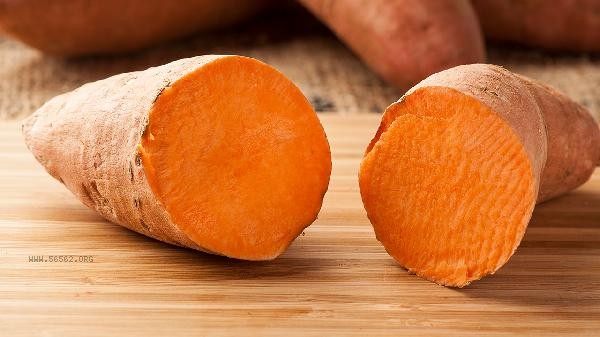
It is recommended to pay attention to the freshness of ingredients in daily diet. For sprouted sweet potatoes, if there are no signs of spoilage, they can be consumed as soon as possible to avoid nutrient loss. If there is mold, they should be discarded resolutely. Normally, sweet potato germination can be delayed by controlling the temperature and humidity of the storage environment to maintain its optimal taste and nutritional value. At the same time, a balanced diet, moderate intake of various vegetables and fruits, and sufficient supply of dietary fiber, vitamins, and minerals can help maintain good gastrointestinal function and overall health. If discomfort symptoms such as abdominal pain and diarrhea occur after consumption, stop eating immediately and seek medical advice in a timely manner. Do not blindly use medication on your own.



Comments (0)
Leave a Comment
No comments yet
Be the first to share your thoughts!