
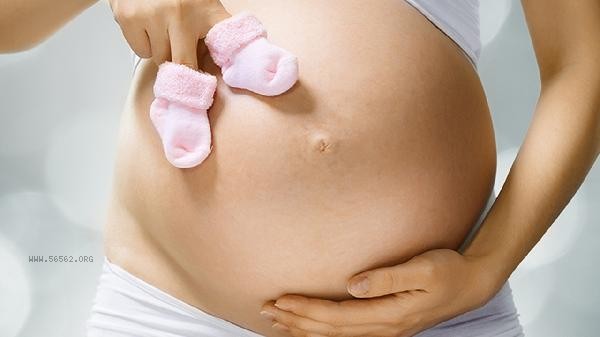
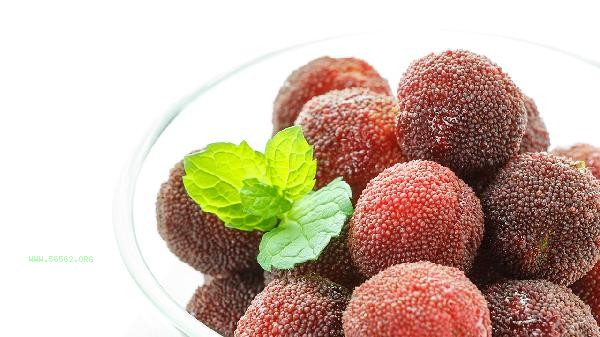
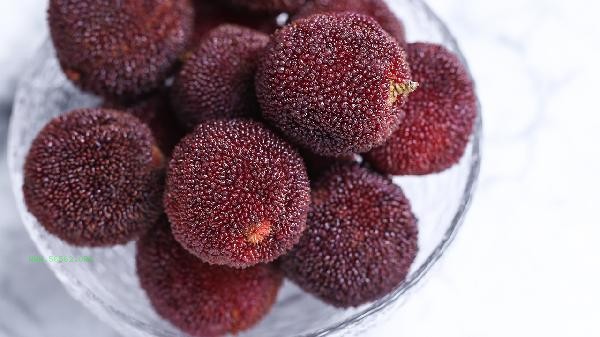
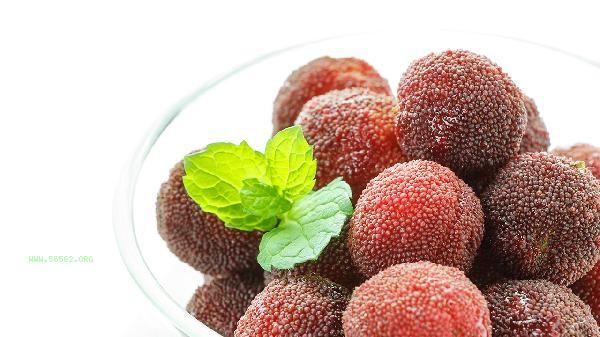
Pregnant women are generally able to eat jujubes, which can supplement their body with nutrients. Jujube is rich in vitamin C, vitamin P, as well as various minerals and amino acids, which have a positive impact on maintaining normal physiological functions in pregnant women and promoting fetal growth and development. Moderate consumption of jujubes can help improve the loss of appetite caused by pregnancy reactions in pregnant women. At the same time, the iron element it contains can help prevent iron deficiency anemia during pregnancy and enhance the body's immunity to a certain extent. The active substances such as cyclic adenosine monophosphate in jujube can also regulate cellular metabolism, play a certain role in calming and aiding sleep, and alleviate anxiety or poor sleep conditions that may occur during pregnancy. As for the way of eating, it is recommended to wash the jujube and eat it raw, or use it to cook Congee or soup, which not only retains nutrition but also is easy to digest and absorb. It should be noted that although jujube is rich in nutrition, its sugar content is high. Pregnant women with gestational diabetes should strictly control their intake to avoid causing blood sugar fluctuations. In addition, pregnant women with weak gastrointestinal function or prone to bloating should not consume too much at once to avoid increasing gastrointestinal burden and causing discomfort. Jujubes should be included as part of a diversified diet in daily life, combined with fresh vegetables, fruits, and high-quality protein foods to ensure balanced nutrition. Regular prenatal check ups should be conducted at hospitals to monitor one's own health and fetal development. If there are any abnormal reactions, professional doctors should be sought for help and guidance in a timely manner. Pregnant women should maintain a diversified diet in their daily diet. In addition to consuming jujubes in moderation, they should also pay attention to consuming fish, poultry, eggs, and soy products that are rich in high-quality protein. At the same time, they should eat more dark vegetables and low sugar fruits to supplement vitamins and dietary fiber. It is recommended to develop regular sleep habits, ensure sufficient sleep, avoid overwork and mental stress, and engage in appropriate walking, yoga, and exercise for pregnant women to enhance physical fitness. In terms of diet, attention should be paid to eating small and frequent meals, avoiding overeating, eating less spicy and stimulating foods, and high sugar and high-fat foods to prevent rapid weight gain or pregnancy complications. If severe nausea, vomiting, obvious edema or other physical discomfort symptoms occur, do not self medicate or blindly supplement. It is necessary to seek medical attention in a timely manner and adjust the diet and lifestyle under the guidance of a doctor to ensure the safety and health of mother and baby.



Comments (0)
Leave a Comment
No comments yet
Be the first to share your thoughts!