
Pregnant women can generally eat instant noodles in moderation, but it is important to choose non fried pancakes and reduce the use of seasoning packs to avoid excessive intake of oil and sodium.

1. Control frequency
Instant noodles are processed foods, and long-term or large consumption may lead to imbalanced nutrient intake. Pregnant women have a high demand for nutrition during pregnancy. If they frequently consume instant noodles as a staple food, they may lack high-quality protein, vitamins, and minerals. It is recommended to limit the frequency of consumption to a few times a month and not replace regular meals. Ensure that the daily diet contains sufficient natural ingredients such as vegetables, fruits, meat, eggs, and milk to maintain the comprehensive nutrition required for normal fetal development.
2. Preferred Types
There are many types of instant noodles on the market, and pregnant women should choose non fried dough products as a priority. These types of dough have relatively low fat content, which reduces the burden on gastrointestinal digestion. At the same time, try to choose brands with simple ingredient list and few additives to avoid products containing too many preservatives, artificial colors and essence. Buckwheat noodles or vegetable noodles that focus on health concepts are also good alternatives, which can provide a certain amount of dietary fiber while satisfying the taste, and help alleviate common constipation problems during pregnancy.
3. Adjustment Method
Instant noodles that are directly brewed for consumption often have excessive oil and salt content. Pregnant women can use boiling to remove some oil and additives by pouring out the water used for the first cooking. During the cooking process, only one-third of the seasoning pack is added, or the built-in powder pack and sauce pack are not used at all. Instead, fresh vegetables, eggs, lean meat slices and other ingredients are added for seasoning. This can not only enhance the nutritional value of the food, but also improve its taste, making the meal healthier and more delicious, and reducing the potential burden on the body.

4. Pay attention to reactions
Each pregnant woman's physical condition is different, and there are also differences in their physical reactions after consuming instant noodles. Some pregnant women may experience symptoms such as thirst, edema, or stomach discomfort after consuming it, which is usually related to the high sodium content in instant noodles. If you feel obvious discomfort after eating, you should immediately stop eating and drink plenty of warm water to promote metabolism. For pregnant women who suffer from gestational hypertension or renal dysfunction, the intake of such high salt foods should be strictly restricted to avoid aggravating the condition and affecting the safety of mother and baby.
5. Balanced pairing
Eating instant noodles alone is difficult to meet the complex nutritional needs of pregnancy, and it is necessary to pay attention to the overall combination of meals. When consuming instant noodles, it is important to pair them with an additional serving of dark green leafy vegetables and a boiled egg or a small amount of soy products to supplement vitamin C, folate, and high-quality protein. After meals, you can also eat some low sugar fruits such as apples or kiwis to help balance blood sugar levels. By combining a reasonable diet, it is possible to compensate for the nutritional deficiencies of instant noodles themselves, making them an occasional satisfying option rather than harming health.
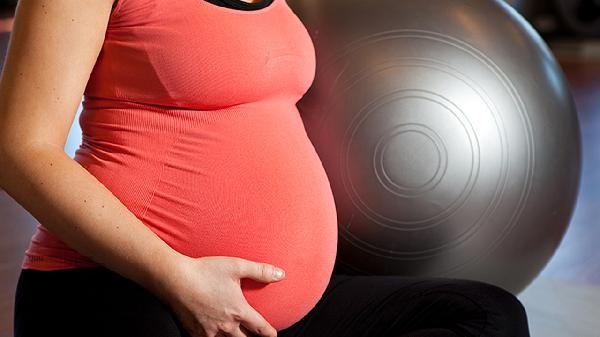
During pregnancy, the diet should be fresh, natural, and diverse. It is recommended that pregnant women consume more high-quality protein rich foods such as fish, shrimp, lean meat, eggs, and dairy products in their daily lives, while ensuring sufficient intake of fresh vegetables and fruits to obtain rich vitamins and dietary fiber. Regular walking or yoga exercises for pregnant women can enhance physical fitness and promote blood circulation. Maintain a regular schedule, avoid staying up late, regularly go to the hospital for prenatal check ups, and closely monitor fetal development. If you have doubts about a certain food or experience discomfort after consuming it, you should consult a professional doctor or nutritionist in a timely manner. Do not blindly rely on processed foods to ensure the health of both mother and baby.






Comments (0)
Leave a Comment
No comments yet
Be the first to share your thoughts!