
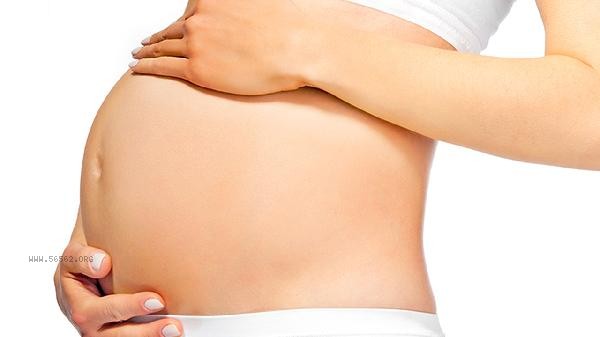
Pregnant women are generally not recommended to consume cooking wine, as it contains alcohol that may affect fetal development through the placenta. The main component of cooking wine is yellow wine, with added spices and salt, and its core problem lies in the presence of ethanol. Alcohol has a strong penetrating power and can easily cross the placental barrier into the fetus. The fetal liver is not yet mature and lacks the enzymes needed to break down alcohol, resulting in slow metabolism and easy accumulation of alcohol in the fetal body. This accumulation may interfere with the normal division and differentiation of fetal cells, especially posing a potential threat to the development of the nervous system, increasing the risk of fetal alcohol spectrum disorders, manifested as serious consequences such as intellectual disability, growth retardation, or facial deformities after birth. Even after high-temperature cooking, the alcohol in cooking wine is difficult to completely evaporate 100%, and the residual trace amounts of alcohol still pose uncertain risks for sensitive fetuses. The safest way to completely avoid any possible teratogenic or developmental effects is to completely avoid consuming any alcoholic seasonings throughout pregnancy, including cooking wine, red wine stew, and other dishes. Pregnant women can use ginger juice, scallions, lemon juice, or specialized non-alcoholic deodorizing seasonings instead of cooking wine when cooking, which can not only remove the fishy smell of ingredients, but also ensure absolute food safety and protect the health of mother and baby. Pregnant women should strictly follow the principles of light and balanced nutrition in their daily diet, consume more fresh vegetables, fruits, lean meat, eggs, and milk that are rich in high-quality protein, vitamins, and dietary fiber, and avoid eating raw, undercooked foods, as well as alcoholic and caffeinated beverages. During cooking, try to use low temperature and low oil processing methods such as steaming, boiling, stewing, etc. to reduce the intake of fried and barbecued food, so as to reduce the burden of gastrointestinal and prevent complications such as pregnancy induced hypertension or diabetes. It is recommended to regularly visit regular medical institutions for prenatal check ups, closely monitor fetal growth and development indicators, and consult professional nutritionists or obstetricians in a timely manner if there are any questions about daily dietary combinations to obtain personalized dietary guidance plans. Do not blindly believe in folk remedies or use medication and alcohol on your own, to ensure a scientific and reasonable lifestyle during pregnancy and create a good intrauterine environment for the healthy birth of the baby.






Comments (0)
Leave a Comment
No comments yet
Be the first to share your thoughts!