
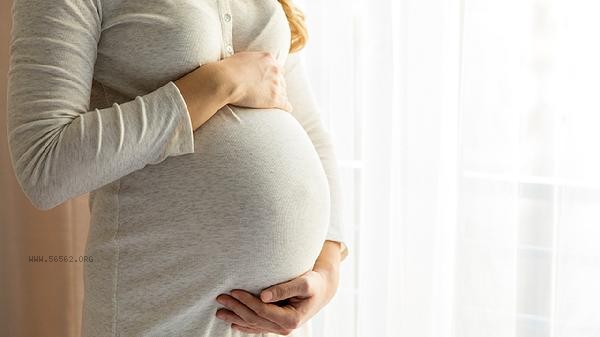
Pregnant women can generally eat chocolate in moderation during their postpartum period, but excessive consumption is not recommended. It is important to pay attention to factors such as timing of consumption, intake, individual differences, breastfeeding effects, and nutritional balance.
1. Timing of consumption
In the early postpartum period, the mother's body is relatively weak and her gastrointestinal function has not fully recovered. If chocolate is consumed immediately at this time, it may increase the burden on the gastrointestinal tract. It is recommended to wait for the discharge of lochia to stabilize and appetite to return to normal about a week after giving birth, and then try consuming a small amount. Chocolate contains ingredients such as theobromine, and premature intake may affect uterine contractions or cause insomnia, which is not conducive to postpartum rest and recovery. Therefore, choosing the appropriate time to eat is crucial.
2. Intake
Chocolate is a high sugar and high-fat food, and excessive consumption can easily lead to calorie accumulation, weight gain, or blood sugar fluctuations. During the postpartum period, the daily consumption of postpartum women should be controlled within a small range, for example, a small piece can meet the taste requirements. Excessive intake not only does not help with physical recovery, but may also cause discomfort such as thirst and constipation due to high sugar levels, and even affect the quality of breast milk. Therefore, it is necessary to strictly control the amount of food consumed and avoid overeating.
3. Individual Differences
Each parturient has a different constitution, and their tolerance to chocolate also varies. Some mothers may have allergies to cocoa products, which can cause rash, itching, or gastrointestinal reactions after consumption. In addition, pregnant women with problems left over by pregnancy diabetes or poor ability to regulate blood sugar should be more cautious about chocolate with high sugar content. Before consumption, it is necessary to observe one's own reaction. If there is any discomfort, stop immediately and seek professional advice.

4. Breastfeeding Effects
Caffeine and theobromine in chocolate can be transmitted to infants through breast milk. If mothers consume them frequently or in large quantities, it may cause the baby to experience symptoms such as restlessness, reduced sleep, or persistent crying. Especially for newborns whose nervous system development is not yet complete, they are more sensitive to excitatory substances. If breastfeeding mothers notice abnormal emotions in their babies, they should consider whether it is related to recent intake of chocolate, and if necessary, suspend consumption to observe changes in the baby's condition.
5. Nutritional Balance
The core of diet during the postpartum period is comprehensive balance. Although chocolate can provide some energy and pleasure, it cannot replace key nutrients such as protein, vitamins, and minerals. If chocolate is used as the main snack and the nutrition of the main meal is ignored, it will lead to an imbalance in dietary structure. It is recommended to use it as an occasional supplement, paired with high-quality protein rich fish, eggs, and fresh vegetables and fruits to ensure that both mother and baby receive sufficient and diverse nutritional support. During the postpartum period, postpartum women should maintain a light and easily digestible diet, eat more high-quality protein rich foods such as lean meat, fish, eggs, and soy products, and increase the intake of fresh vegetables and fruits to supplement vitamins and dietary fiber. Pay attention to drinking moderate amounts of water in daily life, promote metabolism and milk secretion, and avoid raw, cold, spicy, and stimulating foods. Moderate indoor light activities can help with lochia discharge and physical function recovery, but excessive fatigue should be avoided. If there is any physical discomfort or abnormal breastfeeding, seek professional medical help in a timely manner. Do not blindly supplement or consume food that may affect health on your own. Ensure a scientific confinement and protect the health of both mother and baby.




Comments (0)
Leave a Comment
No comments yet
Be the first to share your thoughts!