
Green bean sprouts can generally be eaten after being frozen, but their taste and nutritional value may decrease. If there is discoloration, stickiness or odor after frostbite, it is not recommended to consume. After freezing, the cell structure of mung bean sprouts is destroyed, and they become soft after thawing. They are suitable for quick blanching and cold mixing or stir frying. Although frozen mung bean sprouts can be consumed, their texture will become soft and lose its crispness. Low temperature causes cell wall rupture, making it difficult to maintain its original shape after water leakage. When thawing, it is recommended to cook directly without pre thawing, as high temperatures can reduce nutrient loss. Water soluble nutrients such as vitamin C are easily destroyed during freezing, but dietary fiber and some minerals can still be retained. Suitable for making stews, soups, or mixing other vegetables for quick stir frying, avoiding prolonged high-temperature cooking. If mung bean sprouts are frozen for too long or repeatedly frozen and thawed, there may be signs of deterioration such as yellowing and transparency. When there is an increase in surface mucus or a sour smell after thawing, it indicates the growth of bacteria and should be discarded immediately. Choosing vacuum packaged frozen bean sprouts is safer when purchasing, and it is recommended to consume homemade frozen bean sprouts within two weeks. Special populations such as those with weak gastrointestinal function should be cautious when consuming frozen bean sprouts to avoid discomfort.
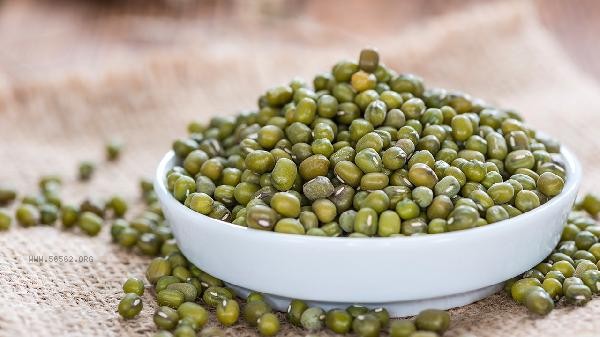
It is recommended to seal fresh mung bean sprouts in a fresh-keeping bag and refrigerate them for daily storage. They should be consumed within 3 days to preserve the best taste. Rinse with running water before cooking to remove ice crystals, and stir fry quickly over high heat to maximize the retention of remaining nutrients. Pairing with ingredients such as carrots and fungus can compensate for the nutritional loss caused by freezing and avoid consuming high oxalate foods that can affect calcium absorption. If you experience discomfort symptoms such as abdominal pain and diarrhea, you should stop eating it in a timely manner and seek medical examination.








Comments (0)
Leave a Comment
No comments yet
Be the first to share your thoughts!