
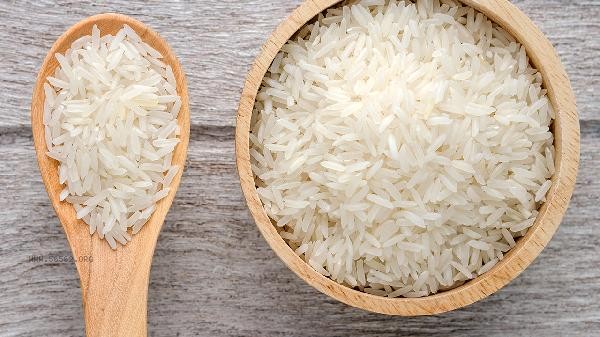
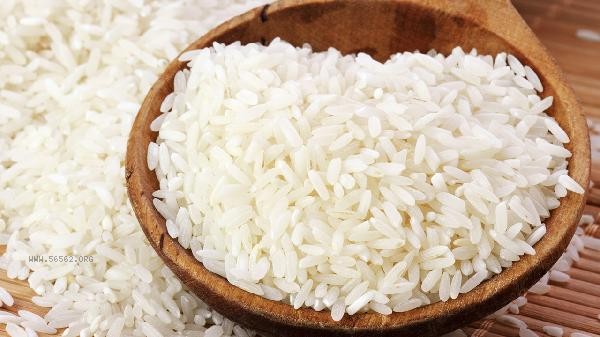
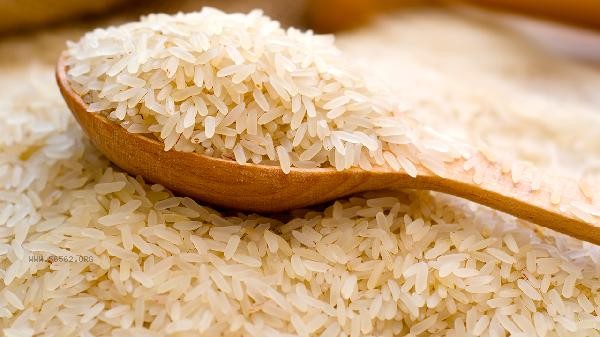
Moldy rice cannot be eaten as it may lead to food poisoning after consumption. Rice mold is usually caused by improper storage, humid environment, suitable temperature, damaged packaging, and prolonged time.
1. Aflatoxin
Moldy rice is prone to the growth of aflatoxin, which is a highly toxic substance that mainly damages liver health. Long term or excessive intake of foods containing aflatoxins may cause acute liver injury and even increase the risk of liver cancer. Aflatoxin has stable properties and cannot be destroyed by ordinary cooking and heating. Therefore, even if the moldy part is removed or steamed at high temperature, the remaining part may still contain toxins, which poses a great safety hazard for consumption and must be discarded as a whole bag.
2. Gastrointestinal reactions
After consuming moldy rice, the human gastrointestinal tract will first be stimulated, resulting in acute poisoning symptoms such as nausea, vomiting, abdominal pain, and diarrhea. This is because mold and its metabolites enter the digestive tract, disrupting the normal function of the gastrointestinal mucosa and leading to digestive and absorption disorders. For children, the elderly, and people with weaker physical conditions, this gastrointestinal reaction may be more severe, and in severe cases, it can lead to dehydration and electrolyte imbalance, requiring timely medical intervention to alleviate symptoms.
3. Respiratory allergies
In addition to direct consumption, contact with or inhalation of mold spores emitted from moldy rice may also cause health problems. Fungal spores scattered in the air may trigger respiratory diseases such as allergic rhinitis and asthma when inhaled by the human body. Patients may experience symptoms such as sneezing, runny nose, coughing, and chest tightness. For individuals with underlying respiratory diseases, exposure to moldy rice may worsen the condition and cause difficulty breathing. Therefore, protective measures should be taken or direct contact should be avoided when handling moldy food.
4. Immune system damage
Long term ingestion of mycotoxins in moldy rice can gradually weaken the body's immune system function. Fungal toxins can interfere with the normal activity of immune cells, reduce the body's ability to resist viruses and bacteria, and make people more susceptible to colds or other diseases. In addition, sustained pressure on the immune system may lead to chronic inflammation, affecting the normal metabolism and repair ability of various organs in the body, resulting in a decline in overall health status and a slower recovery rate, which is not conducive to long-term health management.
5. Neurological Effects
Certain types of mycotoxins also have neurotoxicity and may cause damage to the nervous system upon ingestion. Mild poisoning may manifest as dizziness, headache, fatigue, and lack of energy; Severe poisoning may result in severe neurological symptoms such as blurred consciousness, convulsions, and coma. Although this situation is relatively rare, once it occurs, the consequences are often severe and may cause irreversible damage to brain function. Therefore, in order to ensure the safety of the nervous system, one must never have a lucky mentality and consume any moldy grains. In daily life, attention should be paid to the scientific storage of grains, placing rice in a cool, dry, and ventilated place, avoiding direct sunlight and high temperature and humidity environments. It is recommended to store rice in a well sealed container and add an appropriate amount of natural insect repellent such as Sichuan pepper or garlic to prevent insects and mold. When purchasing rice, one should follow the principle of small quantities and multiple times, and try to consume it within the shelf life as much as possible. Regularly check the grain reserves at home. If any discoloration, flavor change, clumping, or hair growth is found in the rice, it should be immediately discarded and not cleaned or processed before continuing to be consumed. If you accidentally consume moldy rice and experience discomfort, you must immediately stop eating and seek medical attention as soon as possible to avoid delaying treatment.






Comments (0)
Leave a Comment
No comments yet
Be the first to share your thoughts!