
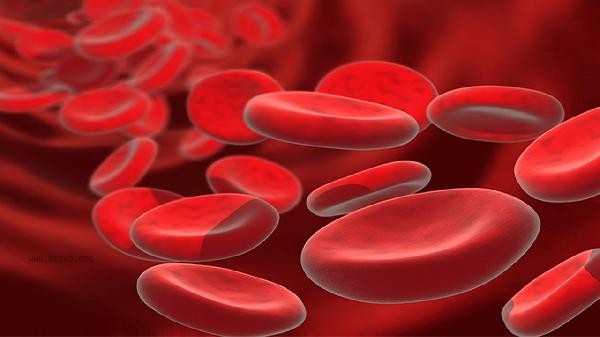
Low red blood cell count may lead to dizziness and fatigue. Low red blood cell count is usually caused by factors such as iron deficiency anemia, megaloblastic anemia, aplastic anemia, hemolytic anemia, chronic diseases, etc. It is mainly manifested as pale complexion, dizziness and fatigue, palpitations and shortness of breath. It is recommended to seek medical examination in a timely manner, clarify the cause, and receive targeted treatment.
1. Iron deficiency anemia
Iron deficiency anemia is the most common cause of low red blood cells, resulting in reduced hemoglobin synthesis due to insufficient iron intake or absorption disorders. Patients may experience symptoms such as dizziness, fatigue, brittle nails, and pica. Treatment requires the supplementation of iron supplements such as ferrous sulfate tablets, dextran iron oral solution, protein succinate iron oral solution, etc., while increasing the intake of iron rich foods.
2. Megaloblastic anemia
Megaloblastic anemia is mainly caused by folate or vitamin B12 deficiency, which affects red blood cell DNA synthesis. Typical symptoms include dizziness and fatigue, glossitis, numbness in hands and feet, etc. Treatment requires supplementation of folic acid tablets, vitamin B12 injection, etc., while adjusting dietary structure.
3. Aplastic anemia
Aplastic anemia is a decrease in red blood cells caused by bone marrow hematopoietic failure, which may be caused by factors such as medication, radiation, viral infections, etc. In addition to dizziness and fatigue, patients may also experience bleeding tendencies and recurrent infections. The treatment includes drugs such as cyclosporine soft capsules and stanozolol tablets, and in severe cases, hematopoietic stem cell transplantation is required.
4. Hemolytic anemia
Hemolytic anemia is caused by accelerated destruction of red blood cells that exceeds the compensatory capacity of the bone marrow, and may be caused by genetic factors, autoimmune diseases, etc. Common symptoms include dizziness, fatigue, jaundice, and splenomegaly. Treatment requires the use of medications such as acetate prednisolone tablets and cyclophosphamide tablets according to the cause, and blood transfusion may be necessary if necessary.
5. Chronic diseases
Chronic kidney disease, rheumatic and immune diseases, and other chronic diseases may lead to a decrease in erythropoietin or abnormal iron metabolism, causing a decrease in red blood cells. In addition to the primary symptoms, patients may also experience anemia such as dizziness and fatigue. Treatment should control the primary disease and, if necessary, use recombinant human erythropoietin injection to improve anemia. Patients with low red blood cell count should pay attention to a balanced diet in daily life, and moderately increase foods rich in iron, folate, and vitamin B12, such as lean meat, animal liver, dark green vegetables, etc. Avoid strenuous exercise and ensure adequate rest. Regularly review blood routine and monitor changes in red blood cell indicators. If the symptoms of dizziness and fatigue worsen or other discomfort occurs, timely medical attention should be sought to adjust the treatment plan. At the same time, it is necessary to avoid drinking beverages such as strong tea and coffee that affect iron absorption. When cooking, an iron pot can be used to increase iron intake.









Comments (0)
Leave a Comment
No comments yet
Be the first to share your thoughts!