
Lobster is generally not recommended to be eaten overnight, as improper storage can lead to bacterial growth and food poisoning. Eating overnight lobster may cause gastrointestinal discomfort, allergic reactions, histamine poisoning, parasitic infections, nutrient loss, and other issues.
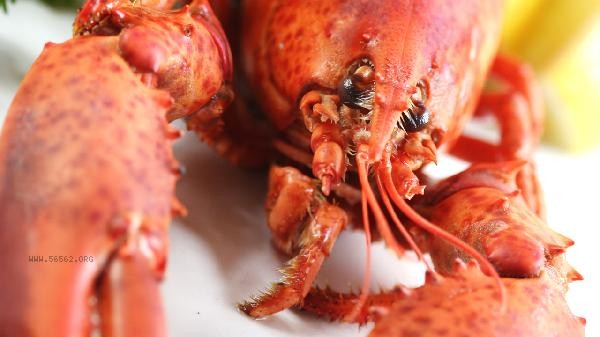
1. Gastrointestinal discomfort:
Lobster is a high protein seafood food. If it is left at room temperature for too long after cooking or if the refrigeration temperature does not meet the standard, it can easily become a breeding ground for bacteria. When consumed again, the large proliferation of Salmonella or Vibrio parahaemolyticus entering the human body can damage the gastrointestinal mucosal barrier, leading to acute gastroenteritis symptoms such as nausea, vomiting, abdominal pain, and diarrhea. In severe cases, medical attention should be sought for fluid replacement and anti infection treatment.
2. Allergic reactions:
Lobster itself is a common allergen, containing specific tropomyosin proteins. During overnight storage, proteins undergo denaturation or decomposition to produce new peptide segments, which may alter their allergenicity. This can lead to skin itching, erythema, urticaria, and even severe allergic shock symptoms such as laryngeal edema and difficulty breathing in non allergic individuals or those with mild allergies after consumption. Such situations require immediate cessation of consumption and seeking medical assistance.
3. Histamine poisoning:
Crustaceans contain abundant histidine, which is easily decarboxylated to histamine under bacterial action. If lobster is not strictly sealed and stored at low temperatures overnight, the histamine content will significantly increase. After excessive intake of histamine in the human body, it can cause vasodilation and bronchial constriction, manifested as facial flushing, headache, palpitations, chest tightness and other symptoms. This toxic reaction occurs quickly and is often mistaken for a common food allergy. It is necessary to follow medical advice and use antihistamines to relieve it.
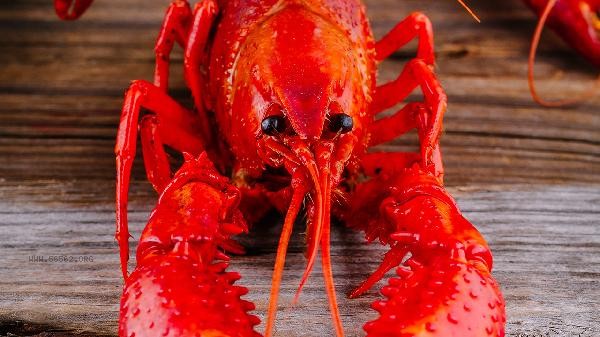
4. Parasitic infection: Although high-temperature cooking can kill most parasites, if overnight dishes are heated unevenly during secondary heating and the central temperature does not reach the sterilization standard, residual lung fluke larvae or other parasitic larvae may survive. After consumption, these parasites can migrate within the human body, causing tissue damage and leading to complex symptoms such as cough, chest pain, and abdominal pain. The key to prevention is to ensure that the food is fresh and thoroughly heated, and to avoid consuming seafood that has been stored for too long.
5. Nutrient loss: The high-quality protein, B vitamins, and trace elements in crayfish will undergo oxidative degradation during long-term storage. Repeated heating not only destroys the cell structure and leads to a stale taste, but also causes a significant loss of water-soluble vitamins, reducing the nutritional value of food. In addition, peroxides produced by oil oxidation have potential toxicity to human cells, and long-term consumption of such foods with high risk of spoilage is not conducive to health. It is recommended to eat them as a meal as much as possible.
In daily diet, the principle of "ready to eat" should be followed, and fresh individuals should be selected when purchasing lobsters. After cooking, they should be consumed as soon as possible. If there is indeed any surplus, it should be sealed and stored in the refrigerator within two hours, and thoroughly heated to high temperature before consumption the next day. If you smell an odor or find that the meat is loose and sticky, it should be discarded immediately. Pay attention to a balanced diet, eat more fresh vegetables and fruits, exercise in moderation to enhance the body's immunity, and seek medical attention promptly when feeling unwell. Do not blindly take medication or rely on folk remedies to deal with food safety issues.







Comments (0)
Leave a Comment
No comments yet
Be the first to share your thoughts!