
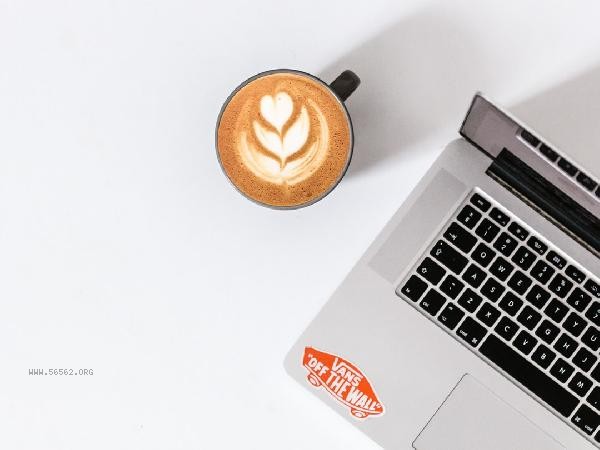
Coffee can generally be consumed during menstruation, but the intake should be controlled. If there are menstrual cramps or sleep disorders, it is not recommended to drink it. Moderate consumption of coffee usually does not have a direct negative impact on menstruation. The caffeine contained in coffee can refresh the mind, help alleviate fatigue and mental fatigue that may occur during menstruation. For some women who are accustomed to drinking coffee, maintaining daily drinking habits can help maintain emotional stability. However, coffee has a stimulating effect on the central nervous system, and excessive intake may lead to vasoconstriction, exacerbating uterine smooth muscle spasms and increasing mild abdominal discomfort. At the same time, caffeine can also affect the absorption of iron. Women during menstruation are already in a state of iron loss due to blood loss, and excessive consumption may not be conducive to physical recovery. In addition, the diuretic effect of coffee may accelerate the elimination of water from the body. Insufficient water intake can lead to an increase in blood viscosity, affecting the smooth discharge of menstrual blood. For women who suffer from severe dysmenorrhea, endometriosis, or significant menstrual syndrome, the irritating ingredients in coffee may induce or exacerbate symptoms such as pain, anxiety, and insomnia. Such individuals should try to avoid consuming caffeinated beverages during their menstrual period. There are differences in the individual's ability to metabolize caffeine, and some people have slower metabolism. Drinking small amounts may also cause adverse reactions such as palpitations and hand tremors. These situations are more sensitive to hormonal fluctuations during menstruation, and special attention should be paid to observing physical reactions and adjusting dietary structure in a timely manner.
Menstrual diet should be warm, easily digestible, and nutritionally balanced. It is recommended to consume more high-quality protein rich foods such as eggs, lean meat, and iron rich spinach, animal liver, etc. to help replenish lost nutrients. Daily attention should be paid to keeping the abdomen warm, avoiding eating raw and cold foods, and engaging in soothing exercises such as walking or yoga to promote blood circulation. If you experience severe abdominal pain, abnormal menstrual flow, or prolonged menstrual periods, you should promptly seek medical attention at a hospital's gynecology department. Under the guidance of a professional doctor, you should undergo conditioning and treatment. Do not blindly self medicate or rely on folk remedies to ensure reproductive system health.






Comments (0)
Leave a Comment
No comments yet
Be the first to share your thoughts!