
During menstruation, it is generally possible to undergo a physical examination for employment. Most routine examination items are not affected, but some examination results involving urine and gynecology may have deviations. It is recommended to avoid these items during menstruation. The core items of the onboarding physical examination usually include height, weight, blood pressure, vision, hearing, internal and external examinations, blood routine, liver function, kidney function, chest X-ray, etc. Menstruation itself is a normal physiological cycle for women, and during the above examinations, menstruation will not cause substantial interference with these indicators. For example, blood tests for liver function, kidney function, blood glucose, blood lipids, etc., hormone fluctuations during menstruation usually do not cause abnormalities in these key values, so they can be carried out with confidence. However, during a routine urine test during menstruation, menstrual blood may mix into the urine sample, leading to positive red blood cells or occult blood in the urine, which can affect the doctor's true assessment of the health status of the urinary system. Similarly, some gynecological examinations included in the onboarding physical examination, such as routine vaginal discharge or cervical smear, conducted during menstruation not only increase the risk of infection, but also prevent accurate specimens from being obtained due to blood interference. Therefore, if the physical examination package includes urine routine or gynecological examination items, it is recommended to separately check these two items 3-7 days after menstruation is completely clean to ensure the accuracy of the results. If the schedule cannot be avoided, the perineum can be cleaned before collecting urine samples, and the examining physician should be informed that they are in their menstrual period so that the physician can consider this factor when interpreting the report.
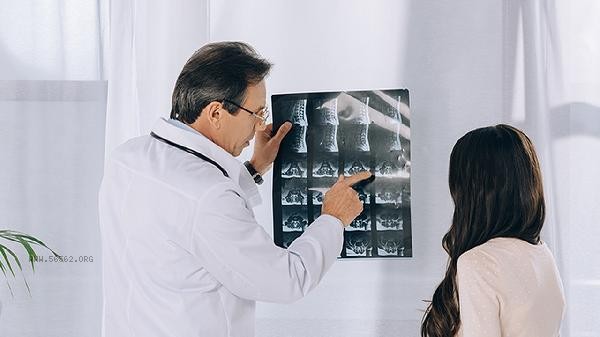
It is recommended to maintain a normal daily routine before the physical examination, avoid staying up late and overworking. Fasting should be done after 8 pm the night before the examination, and fasting should be maintained for 8-12 hours to ensure the accuracy of biochemical indicators such as blood sugar and blood lipids. On the day of the physical examination, wear loose and easy to put on/take off clothing, and avoid wearing metal jewelry to avoid affecting the X-ray examination. If there is discomfort during menstruation, such as severe menstrual cramps or obvious fatigue, the physical examination date can be adjusted appropriately, and priority should be given to completing the examination when the physical condition is good. This can not only make the results more objective, but also avoid affecting the cooperation during the physical examination process due to discomfort.








Comments (0)
Leave a Comment
No comments yet
Be the first to share your thoughts!