
It is generally recommended to eat seafood in moderation if there is a wound, but it is not recommended to consume it if you are allergic to seafood or if the wound infection is severe. Seafood is rich in high-quality protein and zinc elements, which help promote tissue repair and enhance immunity. For patients with non allergic constitution and normal wound healing, moderate intake of fish, shrimp and other seafood can accelerate wound closure. If the patient has an allergic constitution, consuming easily allergenic seafood such as crabs and shellfish may trigger allergic reactions such as rash and itching, leading to increased redness and swelling around the wound and delaying the healing process. When there are serious signs of infection such as suppuration and exudation in the wound, consuming seafood with volatile properties may worsen the inflammatory response. At this time, consumption should be suspended and infection control should be prioritized. It is recommended to choose steaming or boiling soup as a cooking method, avoiding deep frying or spicy seasoning to reduce additional stimulation to the body. In daily diet, it is important to observe changes in the skin and wounds after consumption. If there is any discomfort, stop consuming immediately and consult a professional physician for advice.
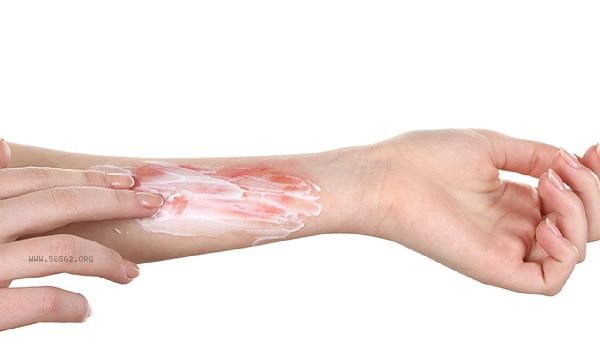
During the period of a wound, one should maintain a light and balanced diet, supplement with vegetables and fruits rich in vitamin C such as oranges and broccoli, and pay attention to keeping the wound clean and dry, avoiding contact with water and vigorous exercise to prevent cracking. If there are abnormal conditions such as redness, swelling, heat pain, or increased secretions in the wound, it is necessary to go to the surgical department of the hospital for treatment in a timely manner. Do not self medicate or believe in folk remedies to avoid delaying the condition and causing infection to spread or scarring.








Comments (0)
Leave a Comment
No comments yet
Be the first to share your thoughts!