
In the early stages of pregnancy, grapes are usually eaten to supplement the body with nutrients. Grapes are rich in glucose, fructose, as well as various vitamins and minerals. Moderate consumption by pregnant women can help replenish energy and alleviate fatigue in early pregnancy. Vitamins C and P in grapes have strong antioxidant effects, which help enhance vascular elasticity and prevent gum bleeding or subcutaneous bruising that may occur during pregnancy. In addition, the dietary fiber contained in grapes can promote gastrointestinal peristalsis and improve common constipation problems during pregnancy. The iron and potassium elements in it also have positive significance in maintaining electrolyte balance in pregnant women and preventing iron deficiency anemia. When consuming, it is recommended to thoroughly wash the grapes and preferably peel them to reduce the risk of infection caused by pesticide residues or surface bacteria, and avoid gastrointestinal discomfort such as diarrhea, which can affect the stable development of the fetus. At the same time, attention should be paid to controlling the intake, because the sugar content of grapes is high, and excessive consumption may lead to blood sugar fluctuations. Especially for pregnant women with a tendency to diabetes in pregnancy, the number of single consumption should be strictly limited, and it is safer and safer to take small amounts in batches. If there is excessive stomach acid or abdominal discomfort after consumption, it should be stopped immediately and professional medical advice should be consulted to ensure that maternal and infant health is not affected.
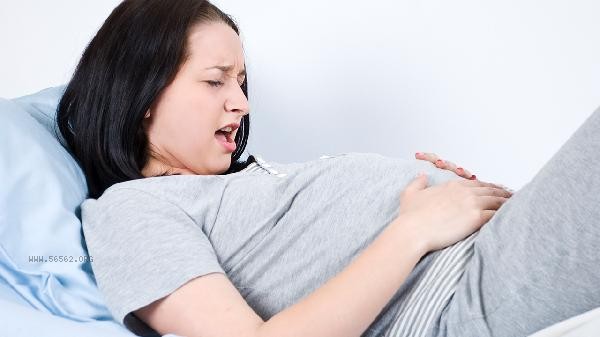
In the early stages of pregnancy, the diet should be light, easily digestible, and nutritionally balanced. Fresh vegetables, fruits, and high-quality protein foods such as fish, eggs, and milk can be consumed in daily life. A regular schedule should be maintained to avoid intense exercise and overwork. Regular prenatal check ups should be conducted to closely monitor changes in the body. If there are signs of threatened miscarriage such as abnormal vaginal bleeding or abdominal pain, timely medical treatment should be sought under the guidance of a doctor. Do not take any medication or folk remedies on your own to ensure a smooth pregnancy.








Comments (0)
Leave a Comment
No comments yet
Be the first to share your thoughts!