
After giving birth, it is generally recommended to eat fruits, which can help supplement vitamins and dietary fiber, and promote physical recovery.

1. Warm fruits
Postpartum women have weaker bodies and incomplete recovery of gastrointestinal function, so choosing warm fruits is more suitable. Apples have mild properties and are rich in various vitamins and minerals. Moderate consumption can help supplement nutrients and is not easily irritating to the gastrointestinal tract. Bananas are rich in dietary fiber and potassium, which can help alleviate common postpartum constipation problems. However, it is important to choose ripe bananas to avoid coldness and stomach damage. Guiyuan has the function of nourishing the heart and spleen, suitable for postpartum women with insufficient qi and blood. It can help improve sleep and physical strength, but excessive consumption should be avoided to prevent overheating.
2. Vitamin supplementation
Fruits are an important source of natural vitamins and are crucial for postpartum recovery. Fruits rich in vitamin C, such as oranges and kiwis, can enhance the body's immune system, promote wound healing, and reduce the risk of infection. Mango and papaya, which are rich in vitamin A, help maintain skin and mucosal health and promote the improvement of milk secretion quality. B-complex vitamins are also distributed in fruits and participate in energy metabolism, helping mothers recover their physical strength and reduce fatigue. However, it is important to clean or peel them before consumption to reduce pesticide residue intake.
3. Dietary fiber intake
Postpartum reduced activity and hormonal changes can easily lead to slowed intestinal peristalsis, causing constipation. Pear, dragon fruit and other fruits contain sufficient dietary fiber, which can increase the volume of feces, stimulate intestinal peristalsis, soften stool, and effectively prevent and alleviate constipation symptoms. Moderate intake of soluble fibers such as pectin can also regulate the balance of gut microbiota and improve digestive function. When consuming, it is recommended to chew carefully and swallow slowly to avoid bloating or indigestion caused by a large amount of food at once, which may affect the process of uterine involution.
4. Maintaining Water Balance
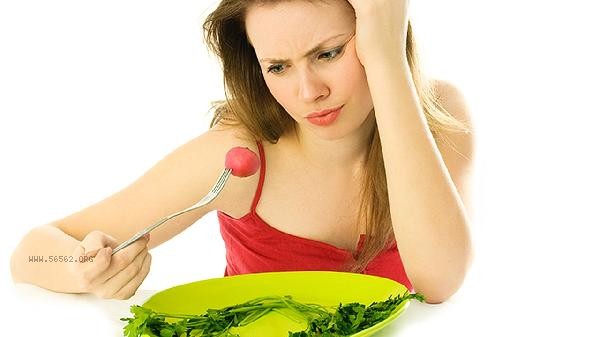
During childbirth, there is a lot of blood loss and sweating, and postpartum breastfeeding also requires a large amount of water support. Watermelon, grapes and other juicy fruits not only provide abundant water, but also replenish electrolytes, maintain water balance in the body, and prevent dehydration. Adequate water intake is beneficial for milk production and ensures smooth breastfeeding. At the same time, the natural sugar in fruits can quickly provide energy and alleviate dizziness and fatigue caused by postpartum hypoglycemia. However, diabetes patients need to control their intake and monitor the changes in blood sugar.
5. Precautions for consumption
Although fruits are beneficial, it is important to pay attention to the methods of postpartum consumption. Avoid taking it out of the refrigerator and consuming it immediately to prevent abdominal pain or incomplete lochia caused by cold stimulation. It is recommended to store it at room temperature or soak it in warm water before consumption. The first attempt at a new type of fruit should start in small amounts and observe for any allergic reactions such as rash, diarrhea, etc. For postpartum women who have undergone cesarean section or have special complications, appropriate varieties and quantities should be selected under the guidance of a doctor or nutritionist, and blind supplementation or dietary restrictions should be avoided to ensure a balanced and safe diet. Postpartum diet should focus on diversification and balanced combination. In addition to moderate consumption of fruits, it is also necessary to ensure the intake of high-quality protein, whole grains, and vegetables, and avoid spicy and greasy foods. Maintain moderate activity to promote gastrointestinal motility and physical function recovery, and pay attention to personal hygiene to prevent infection. If symptoms such as persistent abdominal pain, fever, or abnormal bleeding occur, timely medical examination should be sought, and professional treatment and care should be provided according to medical advice to ensure the health and safety of mother and baby, and to smoothly pass the postpartum period.




Comments (0)
Leave a Comment
No comments yet
Be the first to share your thoughts!