
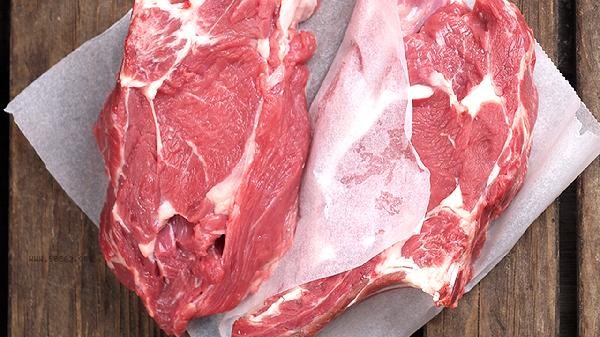
High blood sugar can generally be treated with beef, and moderate consumption can help supplement high-quality protein. The cooking method, consumption amount, ingredient combination, eating order, and individual differences of beef are key factors affecting blood sugar fluctuations.

1. Cooking method
Cooking method has a significant impact on the glycemic index of beef. Beef stewed, boiled or low-temperature grilled can retain its nutritional components without adding extra sugar and oil, making it suitable for people with high blood sugar levels to consume. Practices such as braised, sweet and sour, or deep frying should be avoided, as these methods often add large amounts of white sugar, starch, or coating powder, leading to a surge in carbohydrate content and causing rapid postprandial blood sugar elevation. It is recommended to prioritize light cooking methods when choosing recipes, using natural spices such as onions, ginger, and garlic to enhance flavor and reduce the intake of hidden sugars in seasonings, thereby maintaining blood sugar stability.
2. Consumption
Controlling single consumption is the core measure to prevent blood sugar fluctuations. Although beef itself has a very low sugar content, excessive intake of protein can be converted into glucose in the body through gluconeogenesis, and the heavy burden of meat digestion may affect insulin sensitivity. For people with high blood sugar, it is recommended to limit the consumption of cooked beef to the size and thickness of the palm of their hand during each meal, and avoid overeating. Serving of individual dishes is also a good choice. Distribute the meat amount of a day to multiple meals to avoid the peak blood sugar caused by excessive single load. At the same time, it needs to make overall planning in combination with the total calories of the day.
3. Food pairing
Reasonable food pairing can slow down the absorption rate of glucose. When consuming beef, it should be paired with non starchy vegetables rich in dietary fiber, such as broccoli, spinach, celery, or cucumber. Dietary fiber can form a mesh structure in the gastrointestinal tract, wrapping food and delaying gastric emptying, thereby stabilizing the postprandial blood glucose curve. Avoid consuming beef in large quantities with high starch vegetables such as potatoes, yams, lotus roots, or polished rice and white flour to prevent the cumulative effect of carbohydrates. The order of eating vegetables first, then beef, and finally staple food can also help optimize blood sugar response.
4. Eating order
Adjusting the eating order is a simple and effective sugar control technique. It is recommended to drink a small amount of clear soup or eat a large amount of green leafy vegetables during meals to occupy part of the stomach capacity and stimulate the secretion of related hormones in the intestines. Then, consume protein foods such as beef, and finally consume the main food. This sequence can utilize the satiety generated by dietary fiber and protein, naturally reduce the intake of high glycemic index staple foods, and slow down the digestion and absorption rate of carbohydrates in mixed diets, making blood sugar rise more smoothly and avoiding significant blood sugar fluctuations.
5. Individual Differences
There are significant differences in metabolic abilities among individuals, which need to be adjusted according to their own situation. Some patients with high blood sugar may also have renal dysfunction or gout, and high protein or high purine beef may increase the burden on the kidneys or induce elevated uric acid levels. This group of people should strictly limit or even suspend consumption. In addition, patients in the period of extremely unstable blood sugar or acute complications should have a more stringent dietary plan. It is recommended to monitor fasting and two-hour postprandial blood glucose changes before trying new foods or changing dietary habits. If abnormal fluctuations are found, professional physicians should be consulted in a timely manner to adjust the plan. People with high blood sugar should adhere to the principle of low salt, low fat, and low sugar in their daily diet. In addition to consuming high-quality protein such as beef in moderation, they should also ensure sufficient intake of vegetables and fruits to obtain vitamins and minerals. Regular aerobic exercise such as brisk walking, jogging, or swimming, with at least 150 minutes of moderate intensity activity per week, can help improve the body's sensitivity to insulin. At the same time, pay attention to daily routines, avoid staying up late and mental stress, regularly monitor blood sugar levels, strictly follow medical advice to take hypoglycemic drugs or inject insulin, do not stop taking medication or change dosage without authorization, and control blood sugar within the ideal range through comprehensive management.









Comments (0)
Leave a Comment
No comments yet
Be the first to share your thoughts!