
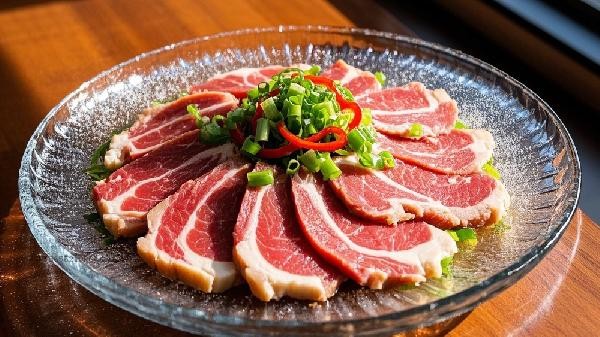
During confinement, it is generally recommended to eat beef, which helps to supplement high-quality protein and iron elements, and promote physical recovery.
1. Nourishing Qi and Blood
During childbirth, postpartum women may lose a large amount of blood, leading to deficiency of both Qi and blood, and symptoms such as pale complexion and fatigue. Beef is rich in heme iron, which has a high absorption rate and can effectively help synthesize hemoglobin, improving postpartum anemia. Meanwhile, the protein in beef is an important raw material for building body tissues, which has a positive effect on repairing birth canal injuries and promoting uterine involution. It is suitable for postpartum women with insufficient qi and blood to consume in moderation to accelerate physical recovery.
2. Enhance immunity
Postpartum women have relatively weaker physical resistance and are more susceptible to external bacterial invasion. Beef is rich in zinc and various vitamins, such as vitamin B6 and vitamin B12. These nutrients work together to maintain the normal function of the immune system, promote lymphocyte production, and enhance the body's ability to fight viruses and bacteria. Moderate intake of beef can help build an immune barrier and reduce the probability of catching a cold or infection during confinement.
3. Promoting lactation
Adequate nutritional support is required for milk secretion, with protein and water being key factors. Beef, as a high protein and low-fat meat source, can provide amino acids required for breast cells to synthesize milk, improving the quality and concentration of milk. Stewed with light vegetables to make soup can not only replenish water but also absorb nutrients. For mothers with insufficient milk secretion or thin milk, it is an ideal dietary choice that helps meet the growth and development needs of infants.
4. Strong muscles and bones
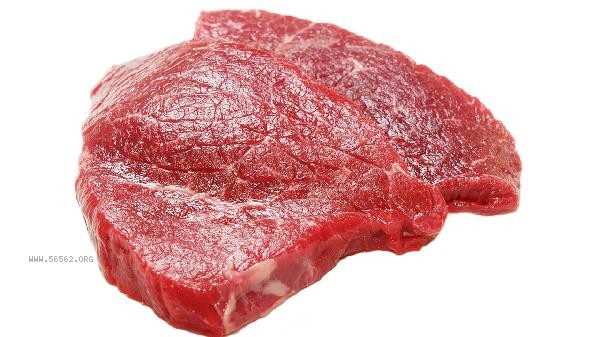
Calcium in the mother's body during pregnancy and lactation can be transferred to the fetus and baby through the placenta or breast milk, which can easily lead to a decrease in maternal bone density, resulting in symptoms such as soreness and weakness of the waist and knees, joint pain, etc. Beef contains a certain amount of calcium, phosphorus, and collagen, which help maintain bone strength and joint flexibility. Long term moderate consumption can prevent postpartum osteoporosis, alleviate muscle fatigue and bone discomfort caused by activities such as holding and breastfeeding, and support daily physical activities.
5. Precautions
Although beef is nutritious, attention should be paid to cooking methods and individual differences when consuming it. Beef fiber is relatively coarse, and if not cooked properly, it is difficult to digest and may increase the burden on the gastrointestinal tract. It is recommended to use gentle methods such as stewing, boiling, and steaming to avoid deep frying or spicy seasoning. If some mothers are allergic to beef or suffer from serious gastrointestinal diseases, they should suspend consumption and consult a doctor. In addition, the consumption should be moderate. Excessive intake may lead to food accumulation or internal heat, affecting the characteristics of breast milk and causing problems such as indigestion or eczema in infants. During the postpartum period, postpartum women should pay attention to a balanced and diverse diet. In addition to beef, fresh vegetables, fruits, whole grains, and soy products can also be paired to ensure the intake of dietary fiber and vitamins. It is necessary to maintain sufficient sleep in daily life, avoid overwork, and engage in gentle postpartum rehabilitation exercises such as Kegel exercises or walking according to the body's recovery situation to promote blood circulation and metabolism. If symptoms such as fever, lochia, or severe abdominal pain occur, seek professional medical help in a timely manner. Do not self medicate or believe in folk remedies to ensure the health and safety of both mother and baby.



Comments (0)
Leave a Comment
No comments yet
Be the first to share your thoughts!