
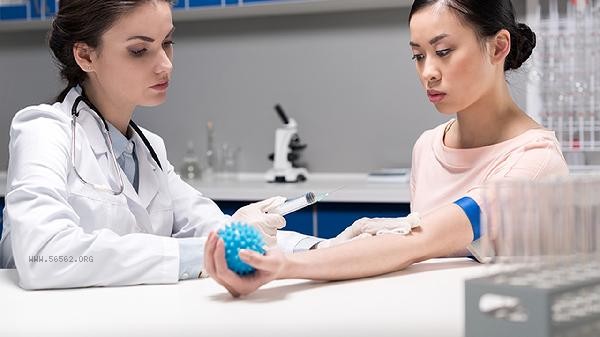
Before the physical examination, it is usually recommended to drink a small amount of plain water, but it is necessary to avoid drinking large amounts of water or other beverages. In most cases, drinking a small amount of plain water before a physical examination will not affect the test results. During nighttime sleep, the human body loses water through respiration and skin evaporation. After waking up in the morning, the blood is relatively concentrated. Drinking water in moderation helps dilute the blood, making venous blood collection smoother and reducing difficulties or hemolysis caused by blood viscosity. For patients who require abdominal ultrasound examination of organs such as gallbladder and pancreas, if water restriction is not explicitly requested, drinking a small amount of water usually does not cause significant interference. In addition, patients with chronic diseases such as hypertension and heart disease should take a small amount of warm water to control their condition when taking medication in the morning, in order to avoid blood pressure fluctuations or cardiovascular accidents caused by discontinuation of medication. This small amount of drinking water is allowed and necessary in medicine.
A few special inspection items have strict restrictions on drinking water, and drinking water is not allowed at this time. For example, before undergoing painless gastroscopy, in order to prevent reflux and aspiration during anesthesia, which may lead to suffocation or aspiration pneumonia, it is usually required to strictly fast and avoid water for a certain period of time before surgery. When performing upper abdominal enhanced CT or certain specific gastrointestinal imaging examinations, drinking a large amount of water may alter the environment within the gastrointestinal tract, affecting imaging clarity or the distribution of contrast agents, thereby interfering with the doctor's judgment of the condition. In addition, some strict fasting blood glucose or lipid tests may slightly dilute the blood sample if the amount of water consumed is too large, resulting in deviations in the test values. Although this impact is usually small, when pursuing highly accurate scientific research level testing or critical value judgment, doctors may recommend completely banning water.
It is recommended to maintain a normal diet the night before the physical examination and avoid high-fat and high protein foods. On the day of the examination, if thirsty, you can take a sip of plain water to moisten your throat. Do not drink tea, coffee, juice, or sugary drinks. Specific fasting and water restrictions should strictly follow the instructions provided by the examination center for specific examination items. If you have long-term medication needs, please consult with on-site medical staff before making a decision.



Comments (0)
Leave a Comment
No comments yet
Be the first to share your thoughts!