
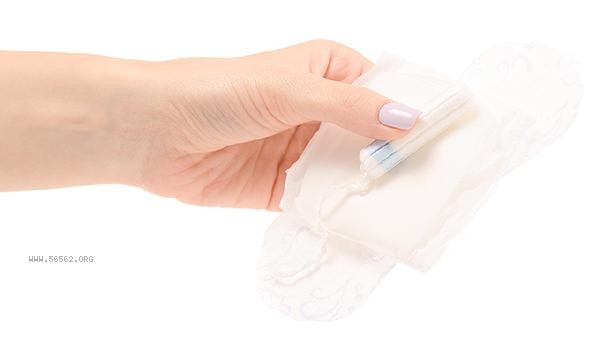
During menstruation, tea can generally be consumed, but it is necessary to avoid drinking strong tea and cold tea. Women are in a special physiological state during their menstrual period, and drinking moderate amounts of tea usually does not have adverse effects. Instead, it helps to replenish water and relieve tension. Tea contains components such as tea polyphenols and caffeine, and moderate intake can refresh the mind. For most women with normal physical constitution, drinking light green tea, black tea, or herbal tea is safe, as long as the concentration and temperature are controlled, and too hot or too cold stimulation of the gastrointestinal tract is avoided. However, if a woman has a weak and cold constitution, or experiences discomfort symptoms such as dysmenorrhea, excessive menstrual flow, and pale complexion during menstruation, she should choose tea products carefully. The high concentration of tannic acid in strong tea may hinder the absorption of iron in the intestine, and long-term consumption in large quantities may increase the risk of anemia caused by menstrual bleeding; Meanwhile, excessive caffeine may stimulate nerves, leading to insomnia or exacerbating menstrual anxiety and restlessness. In addition, some cold tea drinks such as unprocessed raw Pu erh and Ku Ding tea may cause abnormal uterine contractions or exacerbate abdominal pain. During this period, it is recommended to prioritize the selection of mild black tea, ripe Pu'er tea, or herbal tea containing roses, wolfberries, and other combinations. The brewing concentration should be strictly controlled, and light colors should be preferred. Drinking tea on an empty stomach should be avoided to avoid stimulating the gastric mucosa and causing gastrointestinal reactions such as nausea and vomiting. During menstruation, women should pay attention to keeping their abdomen warm, avoid contact with cold water, and consume foods rich in high-quality protein and iron elements such as lean meat, animal liver, spinach, etc. to supplement lost nutrients. Maintain a regular daily routine, avoid staying up late and overexertion, and engage in gentle exercises such as walking to promote blood circulation. If there is severe abdominal pain, abnormal increase in menstrual flow, or prolonged duration during menstruation, it is necessary to promptly seek medical attention from the gynecology department of the hospital, rule out pathological factors such as endometriosis and uterine fibroids, and undergo conditioning under the guidance of professional doctors. Do not blindly take medication or folk remedies on your own to ensure a healthy and stable physiological period.



Comments (0)
Leave a Comment
No comments yet
Be the first to share your thoughts!