
Milk can usually be consumed during lactation, which generally does not have any adverse effects on the baby and can also supplement nutrition. In most cases, breastfeeding women drinking milk can help supplement high-quality protein and calcium, promote milk secretion, and promote their own bone health. The nutrients in milk are digested and broken down before entering the milk, and usually do not directly cause discomfort to the baby. As long as the mother is not allergic to milk and the baby has not been diagnosed with lactose intolerance or milk protein allergy, moderate consumption is safe and beneficial. It is recommended to heat milk to a warm state during daily consumption to avoid gastrointestinal discomfort caused by drinking on an empty stomach. At the same time, pay attention to the baby's reaction after feeding. If there is no diarrhea, rash, or continuous crying, it can continue to be consumed normally. For mothers with weaker digestive function, they can choose Shu Hua milk or yogurt instead of regular milk to reduce the burden of lactose intake, ensure nutrient absorption, and reduce potential gastrointestinal irritation risks. In rare cases, if a baby has congenital lactase deficiency or high sensitivity to milk protein, the mother may induce bloating, diarrhea, eczema, or respiratory symptoms in the baby through milk after drinking milk. At this time, it is necessary to immediately stop drinking milk and all dairy products, and record any changes in the baby's symptoms and seek medical attention promptly to check for allergens. Infants with certain special constitutions may develop immune reactions after their mothers consume trace amounts of milk protein, which is not common but should be taken seriously. If it is confirmed that the baby is allergic to milk protein, the mother should strictly follow a no milk protein diet under the guidance of a doctor or nutritionist, and seek alternative sources of calcium and protein, such as dark green vegetables, soy products, or fortified foods, to ensure a balanced nutrition for both mother and baby. After the baby's intestinal development is mature or allergy symptoms are relieved, try a small amount of reintroduction and closely monitor the reaction.
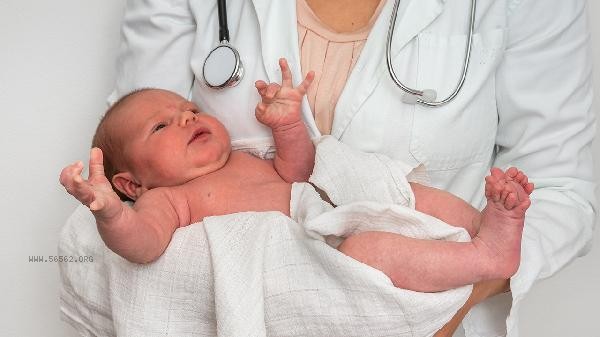
Breastfeeding women should maintain a diversified diet in their daily lives. In addition to milk, they can also consume lean meat, fish, eggs, and fresh fruits and vegetables in moderation to meet the energy and trace elements needed for lactation. Pay attention to dietary hygiene, avoid consuming raw, cold, spicy, or allergenic foods, and maintain a relaxed mood and sufficient sleep to help maintain good milk quality. If abnormal symptoms are found in the baby, it is necessary to consult a professional doctor for evaluation in a timely manner. Do not blindly avoid food or medication on your own. A scientific and reasonable dietary structure is the key to ensuring maternal and infant health.










Comments (0)
Leave a Comment
No comments yet
Be the first to share your thoughts!