
During weight loss, coffee can generally be consumed. Black coffee can help promote metabolism, but it is important to avoid adding sugar and cream.

1. Choosing the right type of coffee
It is crucial to choose the type of coffee during weight loss, and priority should be given to black coffee without sugar or creamer. Black coffee has extremely low calories and almost no fat or carbohydrates, which can avoid the accumulation of calories caused by the intake of extra sugar and trans fatty acids. The common instant three in one coffee on the market usually contains a large amount of vegetable fat powder and white sugar, which can hinder fat breakdown and even lead to weight gain. Therefore, it is not recommended to drink this type of blended coffee during weight loss.
2. Seize the Time
The timing of drinking coffee can affect its fat burning effect. It is recommended to drink it half an hour before exercise or after breakfast. Consuming caffeine before exercise can increase the body's excitement, enhance exercise endurance, and burn more calories in the same intensity of exercise, accelerating the process of fat oxidation. Drinking it after breakfast can help refresh the mind, increase basal metabolic rate, and help the body enter a working state faster. Avoid drinking within four hours before bedtime to prevent nerve excitement and insomnia. Lack of sleep can actually cause hormonal imbalances, which is not conducive to weight control.
3. Controlling Total Consumption
Although coffee can help with weight loss, it is necessary to strictly control the daily intake, as excessive consumption may have side effects. The recommended daily intake of caffeine for adults should not exceed 400 milligrams, which is roughly equivalent to two to three standard cups of American coffee. Excessive intake of caffeine may cause symptoms such as palpitations, hand tremors, anxiety, and gastrointestinal discomfort. Long term heavy consumption may also affect calcium absorption or lead to excessive gastric acid secretion, causing stomach diseases and ultimately damaging physical health, affecting the normal execution of weight loss plans.
4. Pay attention to pairing
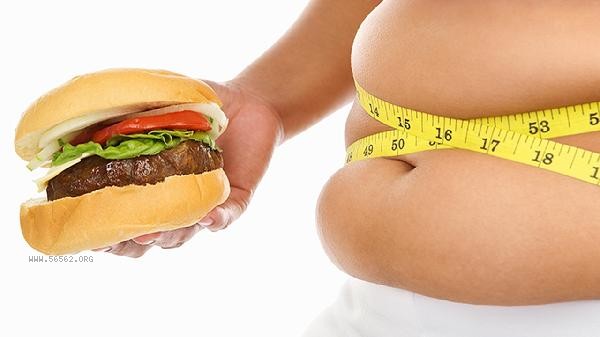
The pairing habits when drinking coffee directly determine whether this drink is a "weight loss miracle" or a "weight gain bomb". It is strictly prohibited to add high calorie additives such as white sugar, brown sugar, syrup, whole milk, or cream balls to coffee. If you cannot accept the bitterness of pure black coffee, you can add skim milk or sugar free plant-based milk such as almond milk and oat milk for seasoning. At the same time, do not drink coffee while eating high sugar and high oil desserts such as cakes and cookies. This combination of "coffee with desserts" will instantly offset the metabolic advantages brought by coffee, leading to excessive calories.
5. Special populations
Not all weight loss individuals are suitable for using coffee as a weight loss aid, and some individuals with special constitutions should be treated with caution. People who suffer from severe hypertension, arrhythmia, gastric ulcers, or severe insomnia may worsen their condition and cause physical discomfort by drinking coffee. Pregnant and lactating women should also limit caffeine intake to avoid affecting fetal development or affecting infants through breast milk. For this group of people, weight loss should mainly rely on adjusting their diet structure and moderate exercise. Do not blindly follow the trend of drinking coffee. If you feel uncomfortable, stop immediately and consult a professional doctor for advice.

Weight loss is a systematic project, and drinking coffee can only be used as an auxiliary means and cannot replace reasonable dietary control and regular exercise. In daily life, it is important to maintain a balanced diet, eat more vegetables, fruits, and high-quality protein, reduce intake of refined carbohydrates, and engage in at least 150 minutes of moderate intensity aerobic exercise per week. Develop good sleep habits, ensure adequate sleep, and avoid metabolic decline caused by staying up late. If dizziness, fatigue or other abnormal symptoms occur during the weight loss process, the plan should be adjusted in a timely manner and professional medical guidance should be sought to ensure healthy weight loss.








Comments (0)
Leave a Comment
No comments yet
Be the first to share your thoughts!