
It is generally not recommended to drink beer immediately after eating persimmons to avoid gastrointestinal discomfort. The possible effects of eating the two together mainly include indigestion, risk of gastric stone formation, exacerbation of cold stimulation, impact on nutrient absorption, and induction of abdominal pain and diarrhea.
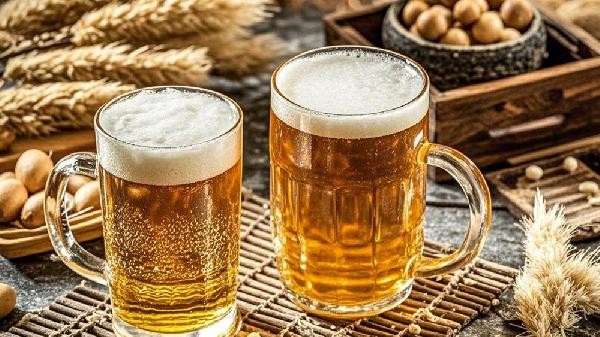
1. indigestion
Persimmons contain a lot of tannic acid and pectin, while beer contains a lot of water and carbon dioxide gas. When the two meet in the gastrointestinal tract, tannic acid may react with ingredients in beer or stomach acid to form insoluble precipitates. This sediment can hinder the normal peristalsis of the gastrointestinal tract, leading to food retention and causing digestive symptoms such as bloating and belching. Especially when consumed on an empty stomach, the burden on the gastrointestinal tract increases and discomfort becomes more pronounced. It is recommended to avoid this combination of consumption.
2. Risk of gastric stone formation
Persimmons that are not fully ripe have a higher content of tannic acid, which easily binds with proteins to form hard lumps under the action of stomach acid. Although beer is mainly composed of water and alcohol, it dilutes stomach acid and alters the gastric environment when it enters the stomach. If there is a large amount of undigested persimmon residue in the stomach at this time, it may accelerate the formation of plant-based gastric stones. Once gastric stones form, they may cause stomach pain, nausea, and even gastrointestinal obstruction, requiring medical intervention to remove them. Therefore, after eating persimmons, beer should be consumed at sufficient intervals. From a traditional Chinese medicine perspective, persimmons have a cold nature, and beer is also considered a cold beverage. Eating both at the same time can cause the accumulation of cold qi in the body and damage the spleen and stomach yang qi. For people with weak and cold constitution, who are prone to cold hands and feet or loose stools, this dual cold stimulation can easily lead to spleen and stomach dysfunction, resulting in symptoms such as abdominal pain, diarrhea, and diarrhea. Especially in seasons with lower temperatures or air-conditioned rooms, it is important to avoid consuming both types of cold substances at the same time to prevent exacerbating the body's coldness.
4. Affects nutrient absorption
Persimmons are rich in carotenoids, vitamin C, and various minerals, while the alcohol content in beer may interfere with the metabolism and absorption of these nutrients. Alcohol produces substances such as acetaldehyde during liver metabolism, which affects the liver's conversion and utilization efficiency of vitamins. In addition, tannic acid in persimmons may also bind with trace amounts of protein or other nutrients in beer, reducing its bioavailability. Long term combination in this way may result in the body being unable to fully obtain beneficial nutrients from food, affecting overall health status.
5. Inducing abdominal pain and diarrhea
Some people have sensitive gastrointestinal mucosa. The tannic acid in persimmons and the alcohol and gas in beer can work together to directly stimulate the gastrointestinal mucosa, causing spasmodic pain. Alcohol can also accelerate intestinal peristalsis, shorten the residence time of food in the intestine, lead to insufficient water absorption, and ultimately cause diarrhea. If one has underlying diseases such as chronic gastritis and irritable bowel syndrome, this stimulating effect will be amplified, which can easily trigger acute attacks, resulting in severe abdominal pain and watery stools. It is necessary to seek medical treatment in a timely manner.
In daily diet, attention should be paid to the rationality of food combination. It is best to drink beer or other alcoholic beverages at least two hours after eating persimmons, and try to eat persimmons after meals to reduce direct stimulation to the gastrointestinal tract. Regular daily routines should be maintained to avoid overeating, and moderate exercise should be done to promote gastrointestinal motility. If there is obvious discomfort after accidentally consuming the same food, such as persistent abdominal pain, vomiting, or abnormal bowel movements, it is necessary to seek medical attention promptly. Do not blindly take medication on your own to avoid delaying the condition. At the same time, people with special physical conditions, children, and the elderly need to be cautious when dealing with such food combinations to ensure dietary safety.



Comments (0)
Leave a Comment
No comments yet
Be the first to share your thoughts!