
Hepatitis B is not usually detected by blood routine examination of general physical examination. The blood routine test mainly detects the quantity and morphological changes of red blood cells, white blood cells, platelets and other blood cell components, and does not include the detection of hepatitis B virus. To determine whether to be infected with hepatitis B, special tests such as the five items of hepatitis B B or hepatitis B virus DNA should be carried out. The core purpose of blood routine examination is to evaluate the basic blood condition of the body, such as the presence of anemia, signs of infection, or abnormal coagulation function. It focuses on the cellular components in the blood, not the virus itself. If a person has hepatitis B, when the liver function is severely damaged, the blood routine may indirectly reflect some abnormalities, such as thrombocytopenia, but this cannot be used as the basis for diagnosis of hepatitis B. Therefore, the blood routine test results are normal, and the possibility of hepatitis B infection cannot be ruled out completely. The five tests of hepatitis B, including hepatitis B surface antigen, hepatitis B surface antibody, hepatitis B e antigen, hepatitis B e antibody and hepatitis B core antibody, are the gold standard for diagnosis of hepatitis B infection. Among them, the positive hepatitis B surface antigen usually indicates the current existence of hepatitis B virus infection. In addition, the quantitative detection of hepatitis B virus DNA can directly reflect the replication activity of the virus in the body, which is crucial for judging the condition and guiding treatment. For people at risk of hepatitis B infection, such as hepatitis B patients in family members, people who have received blood transfusion or used blood products, and people who have multiple sexual partners, it is recommended to actively carry out the five hepatitis B screening.
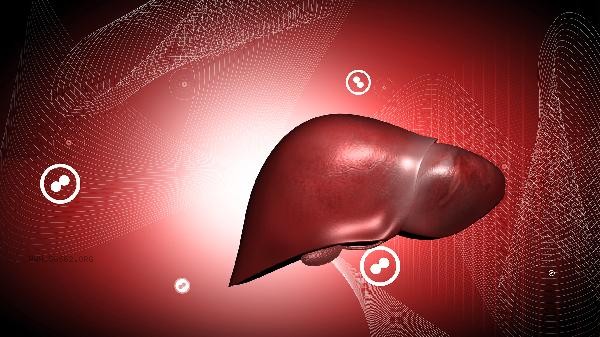
In daily life, keeping good personal hygiene habits and avoiding sharing toothbrushes, razors and other objects that may contact blood with others are effective measures to prevent hepatitis B. At the same time, inoculation of hepatitis B vaccine is the most economical and effective way to prevent hepatitis B infection. If you are worried that you may be infected with hepatitis B, or want to know your hepatitis B antibody level, it is recommended to go to the hospital's infection department or liver disease department, take the initiative to explain the situation to the doctor, and carry out targeted hepatitis B related examinations, rather than relying only on blood routine items in the general physical examination. Maintaining a healthy lifestyle, such as a balanced diet, moderate exercise, and avoiding overwork, can help maintain liver health.








Comments (0)
Leave a Comment
No comments yet
Be the first to share your thoughts!