
Girls can generally drink red wine in moderation during their menstrual period, but it depends on their individual physical condition and menstrual flow. For most girls with regular menstruation, moderate menstrual flow, and painless menstrual history, drinking a small amount of red wine during menstruation usually does not cause significant adverse effects. Red wine contains antioxidants such as resveratrol, and moderate intake can help promote blood circulation, which may alleviate mild bloating or low mood caused by poor qi and blood circulation to some extent. At this point, the body's metabolic function is normal and it can break down alcohol in a timely manner. As long as the amount of alcohol consumed is controlled and avoid drinking it chilled, it generally does not interfere with the normal physiological cycle. Some girls may feel tired or irritable during their menstrual period, and a small amount of warm red wine may help relax their body and mind, and assist in sleep. However, this is only limited to the premise of good physical condition, and the intake must be strictly limited. Do not drink too much. If girls have excessive menstrual flow, severe dysmenorrhea, anemia, or are taking specific medications, it is not recommended to drink red wine during menstruation. Alcohol has the effect of dilating blood vessels. For girls with high menstrual blood flow, drinking alcohol may lead to increased pelvic congestion, which can further increase menstrual flow or prolong menstruation, increasing the risk of blood loss. For girls with severe dysmenorrhea caused by endometriosis or adenomyosis, alcohol may stimulate abnormal uterine contractions, exacerbating the pain. In addition, alcohol can interfere with the absorption of iron, which is not conducive to the recovery of hemoglobin in girls with temporary anemia caused by blood loss during menstruation. If you are taking painkillers, antibiotics, or traditional Chinese medicines that promote blood circulation and remove blood stasis during your menstrual period, alcohol may interact with the drugs, reducing their effectiveness or causing adverse reactions such as gastrointestinal discomfort, dizziness, and nausea. In such special circumstances, drinking alcohol should be absolutely prohibited.
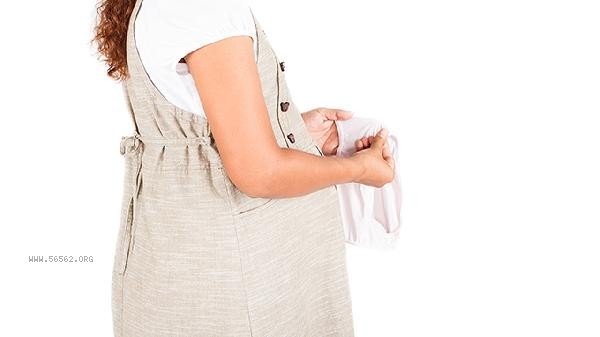
During menstruation, women should pay attention to keeping their abdomen warm and avoid consuming raw, cold, spicy, and stimulating foods. They can drink warm water or brown sugar ginger tea appropriately in their daily lives to promote menstrual blood flow. Maintaining sufficient sleep and moderate exercise can help alleviate menstrual discomfort. If symptoms such as abnormal menstrual flow or severe pain occur, they should seek medical advice from professional doctors in a timely manner. Do not blindly rely on drinking alcohol to alleviate symptoms, and ensure reproductive system health and overall physical stability.



Comments (0)
Leave a Comment
No comments yet
Be the first to share your thoughts!