
Ginger that has sprouted can usually be eaten, but its nutritional value may be reduced. If it rots and spoils, it cannot be consumed. Ginger, due to its suitable temperature and humidity during storage, will consume its own nutrients for bud growth, resulting in loss of moisture inside the ginger block, deterioration of taste, and reduced spiciness. At this time, if the remaining part after removing the bud has no odor or discoloration, it can still be cooked and consumed normally. Ginger sprouting itself does not produce solanine toxins similar to potato sprouting, so simple sprouting is not a dietary taboo. The main impact is on flavor and texture changes. If ginger sprouts and is accompanied by blackening, long hair, mucous discharge, or a sour odor, it indicates that it has been infected by mold or bacteria and has rotted. In this case, the whole ginger, including the non sprouted part, may contain harmful metabolites, which can easily cause gastrointestinal discomfort such as nausea, vomiting, and abdominal pain after consumption. Ginger can be stored in a cool, ventilated, and dry place or buried in sandy soil for daily preservation to slow down the sprouting process. If slight sprouting is found, it should be dealt with promptly to avoid further deterioration. For individuals with sensitive constitution or weak gastrointestinal function, it is recommended to prioritize fresh, full, and non sprouting ginger to ensure food safety and optimal flavor experience.
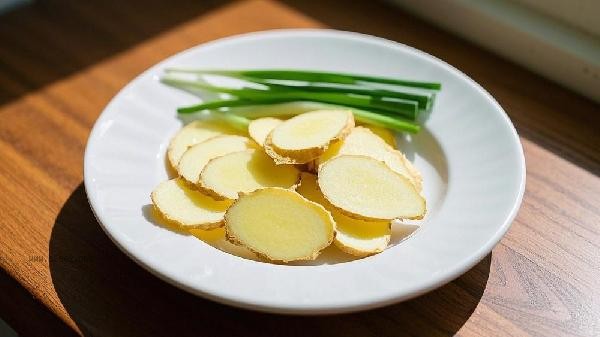
When purchasing ginger in daily life, it is recommended to choose high-quality products with intact skin, golden yellow color, and hard texture. After returning home, avoid storing them in a damp environment to prevent mold growth and sprouting. Before cooking, carefully check for any abnormal spots or odors. If obvious signs of decay are found, immediately discard them and do not force them to eat. At the same time, pay attention to separating raw and cooked to prevent cross contamination. Keep kitchen utensils clean and hygienic. Moderate use of ginger seasoning can help promote appetite, drive away cold and warm the stomach, but should not be excessive to avoid stimulating the gastrointestinal mucosa and causing discomfort. If there is a history of chronic gastritis or digestive ulcers, it is even more important to control intake and have a reasonable diet under the guidance of a doctor.



Comments (0)
Leave a Comment
No comments yet
Be the first to share your thoughts!