
Eye fat filling and double eyelid surgery can generally be performed together, but it needs to be comprehensively evaluated based on individual eye conditions and surgical plans. The combination of two surgeries can reduce the recovery period, but it is necessary to ensure that the surgical design complies with anatomical safety principles.
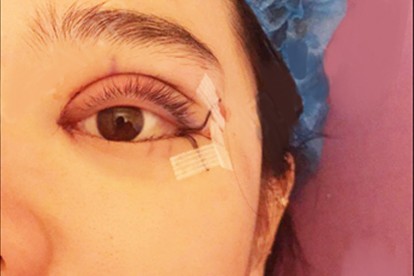
Eye fat filling is mainly used to improve sunken eye sockets or tear troughs by increasing soft tissue volume through autologous fat transplantation. Double eyelid surgery adjusts the adhesion between the upper eyelid skin and the meibomian plate to form the double eyelid line. There is no direct conflict between the two surgeries at the operational level, and experienced doctors can complete them in one anesthesia. Joint surgery requires precise control of fat injection volume to avoid affecting the stability of double eyelid morphology. At the same time, it is necessary to evaluate the quality of fat in the donor area and the blood supply conditions in the recipient area. Patients with severe upper eyelid skin laxity or scar constitution should carefully choose combined surgery. Nodule calcification may occur after fat transplantation, and if it is too close to the double eyelid incision, it may affect the postoperative appearance. Patients with thin orbicularis oculi muscle may have a lower fat survival rate and require staged surgery. Preoperative imaging assessment of ocular vascular distribution is necessary to avoid the risk of fat embolism.
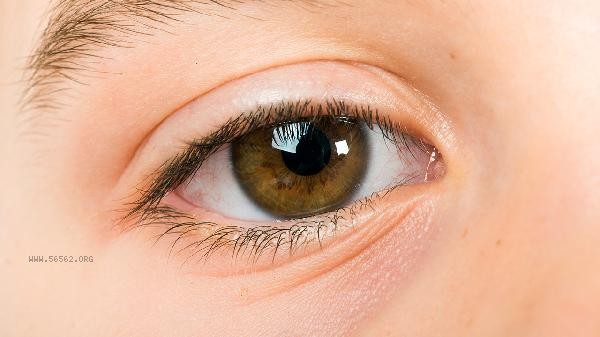
It is recommended to conduct 3D simulation design before surgery to ensure the coordination of the two surgical outcomes. Choose a doctor with specialized qualifications in eye plastic surgery, and strictly apply ice compression after surgery to avoid strenuous exercise. If there is hardening of the filling area or asymmetry of the double eyelid line, timely adjustment should be made during the golden period of 3-6 months after surgery.







Comments (0)
Leave a Comment
No comments yet
Be the first to share your thoughts!