
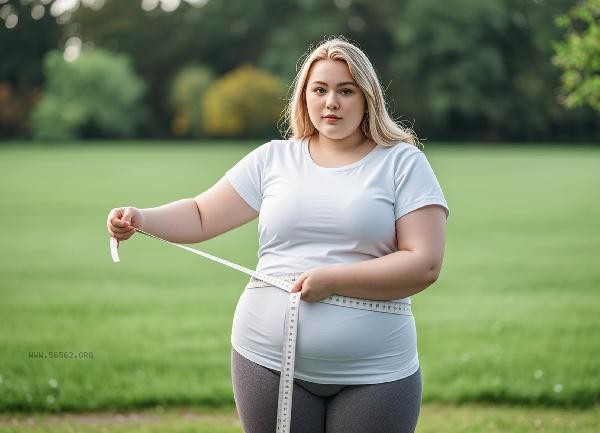
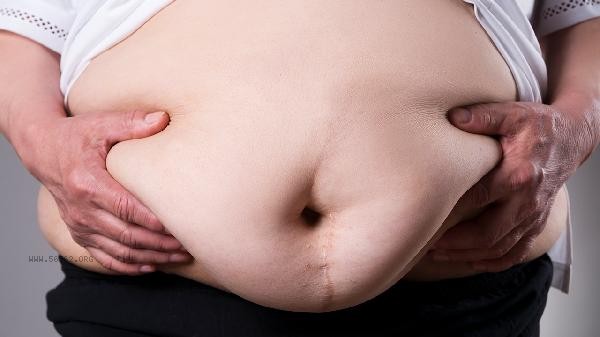
Eating while standing generally does not directly achieve weight loss, but it may help reduce calorie intake. Losing weight requires controlling total calorie intake and increasing expenditure, and standing alone has limited impact on energy metabolism. Eating while standing may slightly increase energy expenditure, but the actual difference is not significant. The human body burns a small amount of calories per hour more when standing than when sitting still, but not enough to significantly affect weight. More importantly, eating speed and food selection are crucial. Standing may make people feel fuller faster, indirectly reducing their food intake. Some people may become distracted while standing to eat, leading to unconscious intake of more high calorie foods, which may actually increase the risk of obesity. Standing and eating under special circumstances may have negative effects. People with gastroesophageal reflux disease may experience increased acid reflux symptoms when standing. Long term standing in some arthritis patients may cause joint pain and interfere with normal digestive function. Standing for a long time immediately after a meal may also cause obstruction of venous return in the lower limbs, leading to discomfort such as edema. Scientific weight loss should be achieved through a balanced diet and regular exercise. It is recommended to adopt a balanced dietary structure, increase the intake of whole grains, vegetables, fruits, and high-quality protein appropriately, and reduce refined sugar and saturated fat. Maintain moderate aerobic exercise and strength training every week, combined with behavioral adjustments such as slowing down eating speed, controlling plate size, and other comprehensive interventions. If there are special health conditions, personalized plans should be developed under the guidance of a doctor or nutritionist.









Comments (0)
Leave a Comment
No comments yet
Be the first to share your thoughts!