
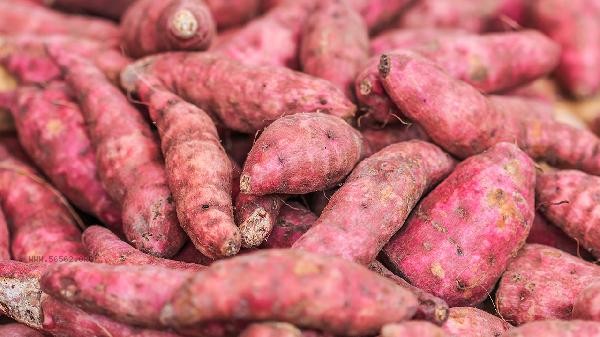
Eating sweet potatoes in moderation for dinner may help with weight loss, but it needs to be judged comprehensively based on the daily diet structure and exercise situation. Sweet potatoes are rich in dietary fiber, which can increase satiety and delay gastric emptying time, helping to reduce the intake of other high calorie foods. Its glycemic index is lower than that of refined rice and flour, which can avoid fat accumulation caused by severe fluctuations in postprandial blood sugar. Each 100 grams of sweet potatoes contains approximately 86 calories, which can be used as a staple food substitute to reduce calorie intake in a single meal. The resistant starch in sweet potatoes is difficult to fully absorb in the small intestine, and some can be directly utilized by probiotics in the colon, which has a regulatory effect on the intestinal microbiota.

Relying solely on sweet potatoes for weight loss may lead to nutritional imbalance, and long-term overconsumption may cause skin yellowing due to excessive beta carotene. Sweet potatoes contain a high amount of oxidase, which can easily cause bloating when consumed on an empty stomach. Some people are sensitive to the FODMAP component in sweet potatoes, which may induce gastrointestinal discomfort. The cooking method significantly affects heat, and frying or adding sugar can significantly increase heat. Individuals with thyroid dysfunction need to control their intake, as sweet potato foods may interfere with iodine absorption.

It is recommended to include sweet potatoes as part of a balanced diet, with a daily intake of less than 200 grams, and prioritize low-temperature cooking methods such as steaming. Combining high-quality protein and green leafy vegetables can improve nutrient utilization and prevent gastroesophageal reflux by avoiding consumption within 3 hours before bedtime. Weight loss requires a daily calorie deficit of 300-500 calories, combined with aerobic exercise and strength training for better results. If there is persistent indigestion or abnormal weight fluctuations, it is necessary to consult a nutritionist in a timely manner to adjust the dietary plan.








Comments (0)
Leave a Comment
No comments yet
Be the first to share your thoughts!