
Eating raw lettuce is usually helpful for weight loss, but it needs to be combined with an overall diet and exercise plan. Lettuce is low in calories and rich in dietary fiber, which can increase satiety and reduce the intake of other high calorie foods. Lettuce has a moisture content of over 90% and contains only about 15 calories per 100 grams, making it a suitable food choice for weight loss. Dietary fiber can slow down gastric emptying and reduce hunger. Vitamin K in lettuce helps with coagulation function, while folate supports cellular metabolism. Eating raw can maximize the retention of water-soluble vitamins such as vitamin C and B vitamins. However, relying solely on lettuce cannot meet the human body's needs for protein and essential fatty acids, and a long-term single diet may lead to malnutrition.
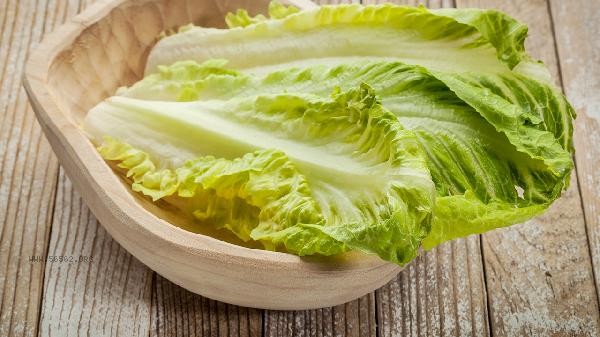
There may be residual pesticides or pathogenic bacteria on the surface of lettuce. It is recommended to rinse with running water for more than 30 seconds or use food grade cleaning agents for treatment. Eating raw food may induce bloating and abdominal pain in patients with irritable bowel syndrome. Individuals with thyroid dysfunction should control their intake of cruciferous vegetables. Some people are sensitive to inulin like substances in lettuce, which may cause gastrointestinal discomfort. Unclean lettuce poses a risk of contamination by norovirus and Escherichia coli, and immunocompromised individuals should consume it with caution.

It is recommended to use lettuce as a salad base, paired with high-quality protein sources such as chicken breast and boiled eggs, and healthy fats such as olive oil. It is advisable to control the daily intake of lettuce at 200-300 grams and avoid completely replacing staple foods. During the weight loss period, it is necessary to ensure a daily intake of at least 2000 milliliters of water, combined with aerobic exercise and strength training. If there are persistent symptoms of malnutrition such as fatigue and dizziness, it is necessary to adjust the diet structure in a timely manner and consult a nutritionist.









Comments (0)
Leave a Comment
No comments yet
Be the first to share your thoughts!