
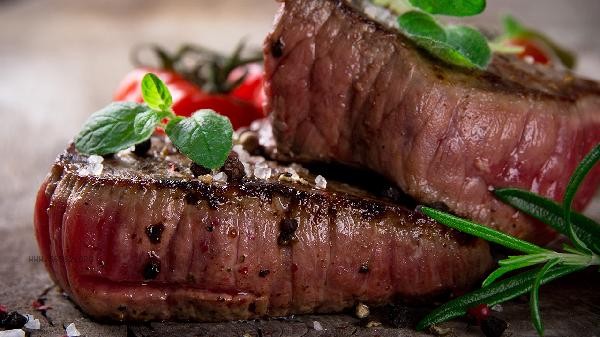
Eating beef can usually assist in weight loss, but it is necessary to control intake and cooking methods. Beef is rich in high-quality protein and L-carnitine, which mainly have the functions of increasing satiety, improving metabolic rate, maintaining muscle mass, providing essential nutrients, and stabilizing blood sugar levels.
1. Increase satiety
Beef contains abundant high-quality protein, which has a relatively long emptying time in the stomach and can significantly prolong the duration of satiety after consumption. This lasting sense of fullness helps reduce the craving for high sugar snacks or extra staple foods between meals, naturally lowering the total calorie intake throughout the day. For people who need to control their weight, using the high protein properties of beef to replace some refined carbohydrates is an effective strategy for managing appetite and can help avoid overeating caused by hunger.
2. Increase metabolic rate
When the human body digests, absorbs, and metabolizes protein in food, it needs to consume more energy than digesting fat and carbohydrates, and this process is called the food heat effect. Beef, as a high protein food, has a higher food heat effect, which means that the body burns more calories when processing beef. In addition, the naturally occurring L-carnitine in beef helps to transport fatty acids to mitochondria for oxidative degradation, which to some extent promotes the metabolic efficiency of fat and helps the body more effectively utilize stored fat as an energy source.
3. Maintaining muscle mass
During the weight loss process, people often worry about losing not only fat but also muscle. Beef is rich in creatine and various amino acids, which are important raw materials for synthesizing and repairing muscle tissue. Adequate muscle mass is crucial for maintaining basal metabolic rate, as muscle tissue consumes much more calories at rest than adipose tissue. By consuming beef in moderation and combining it with strength training, weight loss can help individuals retain or even increase muscle mass while losing weight, preventing a decrease in basal metabolism caused by muscle loss and thus avoiding weight rebound.
4. Provide essential nutrients
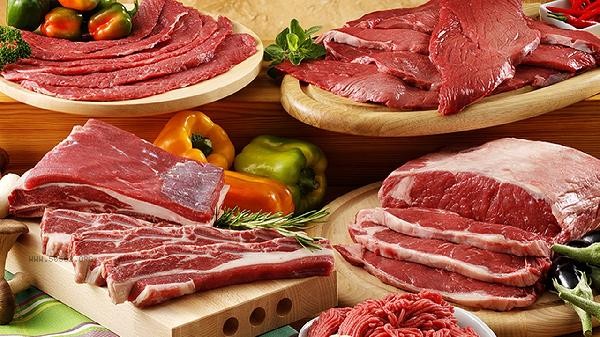
During weight loss, due to limitations in food types, it is easy to experience deficiencies in trace elements. Beef is an excellent source of nutrients such as iron, zinc, and vitamin B12. Iron helps prevent iron deficiency anemia, ensure blood oxygen carrying capacity, and maintain physical performance during exercise; Zinc is involved in regulating the activity of various enzymes in the body, which is beneficial for the immune system and wound healing; Vitamin B12 is essential for neurological health and red blood cell production. The support of these nutrients can ensure that weight loss patients can maintain normal bodily functions without experiencing symptoms such as pale complexion or fatigue while limiting calorie intake.
5. Stable blood sugar levels
Beef is a low carbohydrate food that does not cause significant fluctuations in blood sugar levels after consumption. Compared to high glycemic index foods such as refined rice and flour, beef can help maintain stable blood sugar levels and reduce excessive insulin secretion. Insulin is a hormone that promotes fat synthesis, and stable blood sugar levels help inhibit fat accumulation and encourage the body to use more fat reserves for energy. For obese people with insulin resistance or risk of diabetes, replacing some staple foods with beef will help improve metabolic health and create a favorable physiological environment for long-term weight management. Although beef can help with weight loss, attention should be paid to selecting lean meat parts such as beef tenderloin in daily diet, removing visible fat, and using cooking methods such as stewing, braising, or low oil frying to avoid deep frying or heavy oil braised. At the same time, it is necessary to strictly control the single consumption amount. It is recommended to have a moderate intake of each meal, and to pair it with a large amount of green leafy vegetables and an appropriate amount of whole grains to ensure the intake of dietary fiber. Weight loss is a systematic project that cannot be achieved solely through certain foods. It is necessary to combine regular aerobic exercise and strength training, maintain sufficient sleep and a good mindset, in order to achieve steady weight loss under the premise of health. If there is hyperuricemia or kidney disease, the dietary structure should be adjusted under the guidance of a professional physician.








Comments (0)
Leave a Comment
No comments yet
Be the first to share your thoughts!