
Eating beef every day usually does not help with weight loss, and excessive intake may lead to excess calories. Losing weight requires controlling total calorie intake and maintaining nutritional balance. Beef is rich in high-quality protein and iron, and moderate consumption can help increase satiety and maintain muscle mass. But every 100 grams of lean beef contains about 150-200 calories, and if the consumption is not controlled, the total daily calorie intake can easily exceed the consumption. The cooking method also significantly affects the calorie content, with fried beef producing over 50% more calories than boiled beef. Long term monoculture diet may lead to deficiencies in nutrients such as vitamin C and dietary fiber, which can actually affect metabolic function. Some people experience short-term weight loss when adopting a high protein diet, mainly due to water loss and appetite suppression. However, sustained excessive intake of red meat may increase intestinal burden, and areas with higher levels of trans fatty acids, such as beef brisket, are more unfavorable for blood lipid control. In special circumstances such as kidney disease patients, it is necessary to strictly limit protein intake, as excessive consumption may worsen the condition.
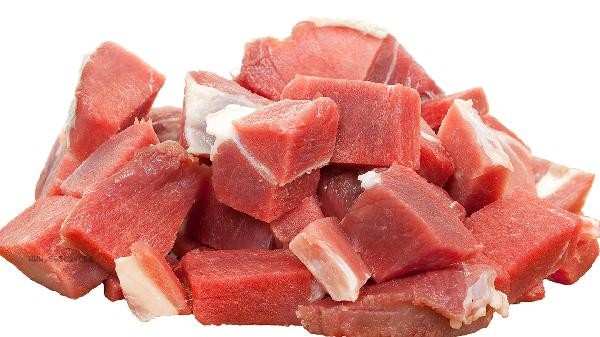
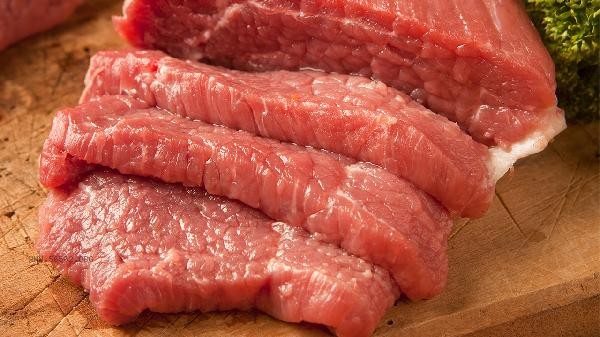
It is recommended to use diversified protein sources such as poultry, fish, and soy products, combined with whole grains and vegetables and fruits. During the weight loss period, the daily intake of red meat should be controlled at 50-75 grams, and priority should be given to parts with low fat content such as beef tenderloin. Combining 150 minutes of moderate intensity exercise per week is necessary to achieve healthy weight loss. If necessary, consult a nutritionist to develop a personalized plan.






Comments (0)
Leave a Comment
No comments yet
Be the first to share your thoughts!