
Early gastric cancer can usually be detected by gastroscopy. Gastroscopy is one of the most direct and accurate methods for diagnosing gastric cancer, especially early gastric cancer. Doctors can directly observe subtle changes in the gastric mucosa through gastroscopy and perform biopsy on suspicious lesions to confirm the diagnosis.
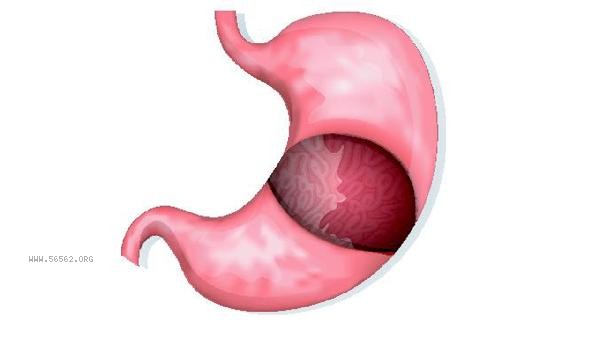
Gastroscopy can detect early gastric cancer, mainly relying on its high-definition imaging ability and biopsy function. In most cases, early gastric cancer may present as slight color changes, local elevations or depressions, or rough and uneven mucosa under gastroscopy. Doctors will use special optical techniques such as narrowband imaging or dye endoscopy to more clearly display the boundaries and properties of these lesions. Once a suspicious area is detected, the doctor will immediately insert a biopsy forceps through the operating port of the gastroscope, take a small piece of tissue and send it to the pathology department for analysis. Pathological examination is the gold standard for diagnosing gastric cancer, which can determine whether cells have undergone malignant transformation and the degree of differentiation of malignant transformation. For extremely rare cases, such as lesions that are very small, located in blind spots that are difficult to observe with gastroscopy, or lesions that are extremely similar in shape to benign lesions, there may be a risk of missed diagnosis. But overall, with the advancement of endoscopic technology, the detection rate of early gastric cancer has significantly increased. If patients have a family history of gastric cancer, long-term helicobacter pylori infection, chronic atrophic gastritis and other high-risk factors, or experience unexplained upper abdominal discomfort, decreased appetite, black stool and other symptoms, it is recommended to undergo gastroscopy examination in a timely manner.
It is recommended that people with high-risk factors for gastric cancer undergo regular gastroscopy screening, maintain healthy eating habits, avoid high salt, pickled, and smoked foods, eat more fresh vegetables and fruits, quit smoking and limit alcohol consumption. If Helicobacter pylori infection is found during examination, active cooperation with doctors for standardized treatment should be sought. Maintaining a good mindset and regular sleep schedule also has a positive impact on preventing stomach cancer.








Comments (0)
Leave a Comment
No comments yet
Be the first to share your thoughts!