
Early stage cancer can usually be detected through physical examination, but the specific detection rate depends on factors such as the type of cancer and the selection of physical examination items. The main methods include blood tumor marker detection, imaging examination, endoscopic examination, cytological examination, genetic testing, etc.
1. Blood tumor marker detection
assists in screening for cancer by detecting changes in the concentration of specific proteins or substances in the blood. Alpha fetoprotein can be used for liver cancer screening, and carcinoembryonic antigen has certain value for monitoring colorectal cancer. However, there is a possibility of false positives for tumor markers, which needs to be comprehensively judged in conjunction with other examinations.
2. Imaging examination
Low dose spiral CT can detect small lesions of early lung cancer, mammography can detect calcification of breast cancer, and ultrasound is highly sensitive to thyroid cancer, liver cancer, etc. Some early tumors appear as small masses or structural abnormalities in imaging.
3. Endoscopic examination
Gastroscopy can directly observe mucosal lesions in the esophagus and stomach and take biopsies, colonoscopy can detect colorectal polyps and early cancer, and bronchoscopy has advantages in the diagnosis of central lung cancer. Endoscopic examination has dual functions of diagnosis and treatment.

4. Cytological examination
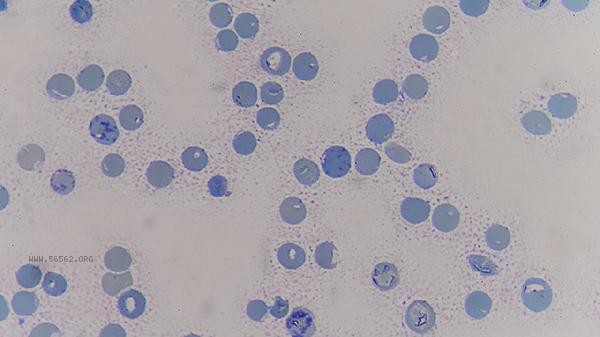
Cervical TCT examination screens for cervical precancerous lesions by collecting exfoliated cells, sputum cytology examination helps diagnose lung cancer, and serosal fluid cytology can detect metastatic cancer cells. Cellular morphological changes are an important basis for early diagnosis of cancer.
5. Gene detection
predicts hereditary tumor risk by analyzing specific gene mutations, such as BRCA gene is related to breast cancer, and APC gene mutation is related to familial adenomatous polyposis. Genetic testing is suitable for early screening of high-risk populations with a family history.
It is recommended to choose targeted physical examination items based on age, gender, family history, etc. People over 40 years old should undergo regular cancer screening. Maintain a healthy lifestyle, avoid risk factors such as smoking and excessive alcohol consumption, and seek medical attention promptly when symptoms such as unexplained weight loss and persistent pain occur. If abnormalities are found during physical examination, further specialized examinations are needed to confirm the diagnosis. Early cancer can achieve a better prognosis through standardized treatment.








Comments (0)
Leave a Comment
No comments yet
Be the first to share your thoughts!