
Drinking protein powder usually does not directly lead to weight gain. Whether weight gain occurs depends on the balance between total calorie intake and consumption. The main influencing factors include daily dietary structure, exercise level, protein powder intake, basal metabolic rate, and individual absorption differences.
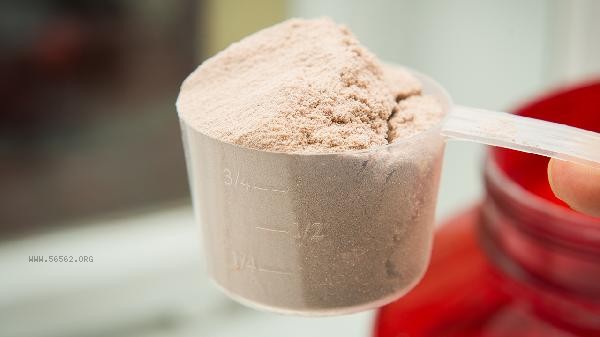
1. Dietary Structure
Daily dietary structure is a key factor in determining weight changes. If a large amount of protein powder is consumed in addition to the normal three meals and the intake of other high calorie foods is not reduced, it will lead to an excess of total calories throughout the day, and the excess calories will be converted into fat accumulation in the body, causing weight gain. On the contrary, if protein powder is used to replace some high sugar and high-fat snacks or meals, controlling the total calorie balance can help maintain weight and even assist in weight loss. Suggest adjusting dietary combinations to ensure a reasonable ratio of protein, carbohydrates, and fat, and avoid metabolic burden caused by excessive intake of a single nutrient.
2. The amount of exercise
The amount of exercise directly affects the utilization of protein powder. For people who engage in high-intensity strength training or endurance exercise, the protein intake is mainly used to repair damaged muscle fibers and synthesize muscle tissue. Drinking protein powder at this time can help increase muscle mass rather than fat, making the body more compact. If there is a lack of exercise or prolonged sitting, the body's demand for protein decreases, and excess amino acids cannot be effectively utilized, which can be converted into glucose or fatty acids through deamination and stored, leading to weight gain. Therefore, drinking protein powder should be accompanied by moderate physical exercise to promote the positive conversion of nutrients.
3. Intake dose
The intake of protein powder should be strictly controlled within a reasonable range. The recommended daily protein intake for adults has a certain standard, and excessive supplementation not only cannot be fully absorbed by the body, but also increases the metabolic burden on the liver and kidneys. When the intake of protein far exceeds the actual needs of the body, the excess will also be converted into energy storage, which can easily lead to obesity in the long run. Different brands and types of protein powders have different calorie densities. Blindly pursuing high protein intake while ignoring the calorie label of the product itself can easily lead to hidden calorie exceedance. Suggest calculating the required protein mass based on one's own weight and exercise intensity, supplementing as needed, and avoiding excessive amounts.
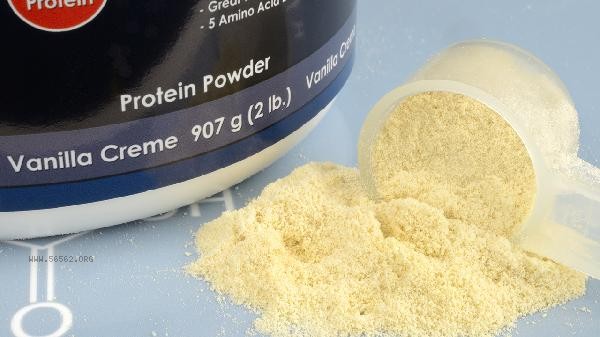
4. Metabolic rate
There are significant individual differences in basal metabolic rate, which determines different weight responses under the same intake. People with high metabolic rates consume energy at a faster rate, and even if they consume a large amount of protein powder, they can quickly break it down and utilize it, making it less likely to form fat deposits. People with lower metabolic rates have slower energy expenditure, and the same intake is more likely to result in calorie surplus, thereby increasing the risk of gaining weight. Aging, hypothyroidism, and other factors can all lead to a decrease in metabolic rate. This group of people should be more cautious when choosing protein powder as a nutritional supplement and closely monitor weight changes to prevent unexpected weight gain caused by metabolic delay.
5. Differences in absorption
Individuals have different abilities to absorb proteins, which also affects the final nutritional conversion results. People with good gastrointestinal function can efficiently absorb and utilize amino acids in protein powder for body construction and repair; People with weaker digestive and absorption functions may experience incomplete protein fermentation in the intestine, producing gas or causing discomfort, while some unused nutrients may still participate in fat synthesis. In addition, some individuals may have specific food intolerance or allergies that affect their overall metabolic status. It is recommended to evaluate one's own digestive status before choosing protein powder, consult professional opinions if necessary, and choose easily absorbable hydrolyzed protein and other products to reduce unnecessary health risks.
In daily life, one should maintain a balanced diet, eat more vegetables, fruits, and whole grains, and avoid excessive reliance on single nutritional supplements. Persist in regular aerobic exercise and strength training to improve the body's metabolic level and help better utilize the protein intake. Pay attention to observing physical reactions. If there are symptoms such as abnormal weight gain or indigestion, adjust the intake plan in a timely manner and seek medical guidance. Scientifically manage weight and maintain physical health. Do not blindly follow the trend of supplementing nutritional supplements and ignore the adjustment of overall lifestyle.








Comments (0)
Leave a Comment
No comments yet
Be the first to share your thoughts!