
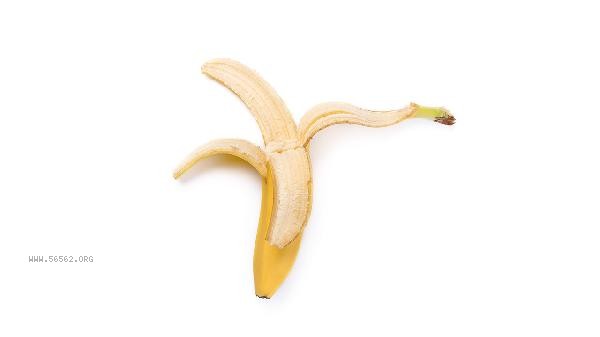
Bananas can generally be eaten on an empty stomach, but those with weak gastrointestinal function need to be cautious. The main influencing factors include personal constitution, consumption quantity, banana maturity, gastrointestinal health status, and food pairing.
1. Personal constitution
There are differences in gastrointestinal tolerance among individuals. Some people do not experience significant discomfort after consuming bananas on an empty stomach, while those with sensitive constitutions may experience acid reflux or bloating. This is related to the level of gastric acid secretion and the function of the gastrointestinal mucosal barrier. It is recommended to adjust eating habits according to one's own reactions. If there is a history of discomfort from eating raw and cold foods on an empty stomach, one should avoid eating bananas on an empty stomach and choose to consume them after meals to reduce irritation.
2. Consumption Quantity
Consuming a large amount of bananas on an empty stomach at once can increase gastrointestinal burden, leading to indigestion or abdominal pain and diarrhea. Moderate consumption usually does not cause problems, while excessive intake may lead to osmotic diarrhea due to concentrated intake of dietary fiber and sugar. It is recommended to consume no more than two at a time and chew slowly to avoid swallowing too much and increasing the burden of gastrointestinal motility. Especially when fasting in the morning, the single intake should be controlled.
3. Banana Maturity
Bananas that are not fully ripe contain more tannic acid and resistant starch. Eating them on an empty stomach can stimulate the gastric mucosa and delay gastric emptying, causing discomfort or constipation in the stomach. Fully ripe bananas have reduced tannic acid content, a soft and chewy texture that is easier to digest, and are suitable for small amounts to try on an empty stomach. When selecting, choose fruits with golden skin and no green spots, and avoid eating bananas that are green or hard to reduce the risk of adverse effects.

4. Gastrointestinal Health
People with chronic gastritis, gastric ulcers, or irritable bowel syndrome who eat bananas on an empty stomach may experience worsening symptoms such as stomach pain, heartburn, or diarrhea. These patients have fragile gastrointestinal mucosa and are more sensitive to acidic or high fiber foods. It is recommended to consult a doctor's opinion during the stable period of the condition, and if necessary, use medications such as magnesium aluminum carbonate tablets, omeprazole enteric coated capsules, or domperidone tablets to alleviate symptoms before considering dietary adjustments.
5. Food pairing
Eating bananas alone on an empty stomach may cause blood sugar fluctuations due to rapid absorption of sugar, while pairing with protein or complex carbohydrates can slow down digestion and absorption. For example, eating it with whole wheat bread, eggs, or nuts can increase satiety and stabilize blood sugar levels. Avoid consuming strong tea, coffee, or spicy foods on an empty stomach to prevent synergistic stimulation of the gastrointestinal tract, which can cause discomfort such as nausea or palpitations.

In daily diet, attention should be paid to regular meals, avoiding long-term fasting, increasing the proportion of vegetables and fruits intake appropriately, maintaining sufficient water and moderate exercise to promote gastrointestinal peristalsis. If there are persistent symptoms such as stomach discomfort, acid reflux, belching, or abnormal bowel movements, it is necessary to seek medical attention in a timely manner to identify potential diseases. Do not rely on food regulation for a long time and delay diagnosis and treatment. Developing a personalized nutrition plan under professional guidance is more secure and safe.






Comments (0)
Leave a Comment
No comments yet
Be the first to share your thoughts!