
Blood tests can assist in detecting liver cancer, but cannot diagnose it alone. Liver cancer screening usually requires a comprehensive assessment through methods such as alpha fetoprotein testing and imaging examinations. The alpha fetoprotein index in blood tests has important reference value for liver cancer screening. Alpha fetoprotein is a glycoprotein with extremely low levels in the serum of healthy adults, and may significantly increase when liver cells undergo carcinogenesis. The commonly used chemiluminescence method in clinical practice is used to detect levels of alpha fetoprotein. When the value exceeds 400 micrograms per liter, high vigilance is required. Some patients with hepatitis and cirrhosis may experience mild elevation, but the elevation in liver cancer patients is usually more pronounced and persistent. In addition to alpha fetoprotein, serum markers such as abnormal prothrombin and α - L-fucosidase also have indicative effects, but their specificity is relatively low.
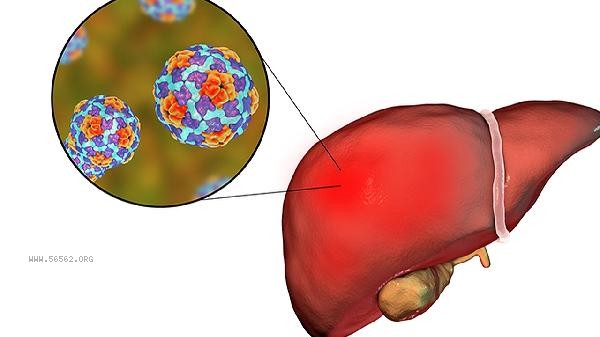
Imaging examinations are irreplaceable in the diagnosis of liver cancer. Ultrasound examination can detect liver space occupying lesions with a diameter exceeding 1 centimeter, which has the advantages of non invasiveness and economy. Enhanced CT or MRI can clearly display the blood supply characteristics of tumors, and typical liver cancer is characterized by a "fast in and fast out" phenomenon of rapid enhancement in the arterial phase and rapid regression in the venous phase. For patients with elevated alpha fetoprotein but negative imaging, it may be necessary to repeat the examination every 3 months or consider invasive tests such as hepatic angiography. Pathological biopsy is the gold standard for diagnosis, but there are risks such as bleeding and needle metastasis, and it is usually not the first choice.
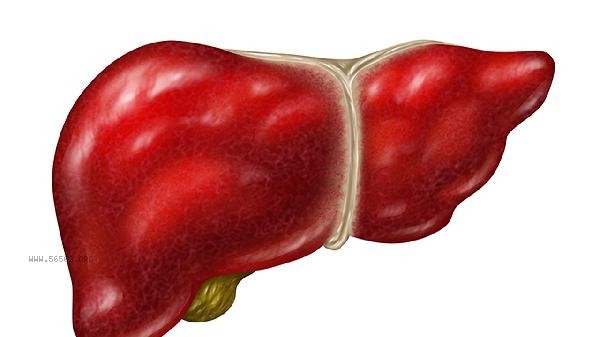
A regular screening mechanism should be established for high-risk populations of liver cancer. Patients with chronic hepatitis B and C, cirrhosis, a family history of liver cancer, and long-term alcohol abuse are all high-risk groups. It is recommended to undergo serum alpha fetoprotein testing and liver ultrasound examination every 6 months, and promptly improve enhanced CT or MRI if any abnormalities are found. In daily life, it is necessary to quit drinking, avoid consuming moldy food, supplement high-quality protein in moderation, and maintain a regular schedule. If symptoms such as dull pain in the upper right abdomen, weight loss and fatigue, and yellow staining of the skin and sclera occur, immediate medical examination should be sought.








Comments (0)
Leave a Comment
No comments yet
Be the first to share your thoughts!