
The general time for infant physical examination is 1 month, 3 months, 6 months, 8 months, 12 months, 18 months, 24 months, 30 months, and 36 months after birth. The physical examination items mainly include physical examination, growth and development assessment, neuropsychological development assessment, laboratory examination, etc.

1. Physical examination
Physical examination includes measuring indicators such as height, weight, head circumference, chest circumference, etc., to evaluate the growth and development of infants. The doctor will also examine the baby's skin, facial features, heart and lungs, abdomen, limbs, etc., to observe for any abnormal manifestations. Physical examination is a basic item of infant physical examination, which can timely detect problems such as delayed growth and development, deformities, etc.
2. Growth and Development Assessment
Growth and development assessment mainly compares the standard growth curve to determine whether the infant's height, weight, head circumference, and other indicators are within the normal range. Doctors will also inquire about feeding, sleep, and bowel movements to comprehensively evaluate the baby's nutritional status and overall development level. Growth and development assessment can help detect early issues such as malnutrition and obesity.
3. Neuropsychological Development Assessment
Neuropsychological development assessment mainly examines the development of infants' motor, language, cognitive, social, and other aspects. Doctors will observe the baby's gross motor abilities such as lifting, turning, sitting, crawling, as well as fine motor abilities such as grasping and finger pointing. Simultaneously evaluate the baby's social and language abilities such as eye contact, facial expressions, and vocalizations. Neuropsychological developmental assessment can detect developmental delays, autism, and other issues early on.
4. Laboratory tests
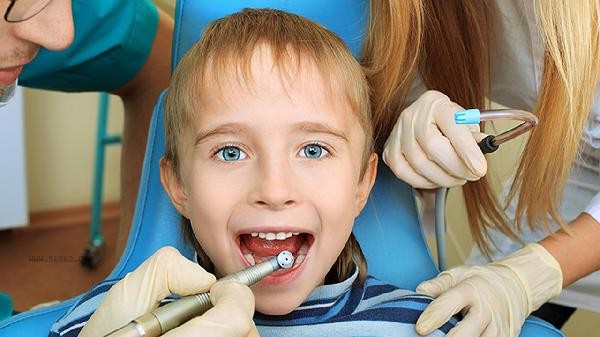
Laboratory tests include blood routine, urine routine, hearing screening, vision screening, trace element testing, etc. Newborns will also undergo screening for congenital metabolic diseases and hearing screening. These tests can help detect potential diseases such as anemia, infection, hearing impairment, and vision problems. The laboratory examination items will be adjusted according to the age and specific situation of the baby.
5. Vaccination
Vaccination is one of the important contents of infant physical examination. According to the national immunization plan, infants need to be vaccinated with hepatitis B vaccine, BCG vaccine, poliomyelitis vaccine, DPT vaccine, measles vaccine, etc. at a specific age of months. The doctor will check the vaccination record during the physical examination and arrange the follow-up vaccination plan. Vaccination can effectively prevent various infectious diseases and ensure the healthy growth of infants. Parents should take their babies for physical examinations on time, establish health records, and record growth and development data. Before the physical examination, relevant questions can be consulted with a doctor, and after the examination, feeding adjustments or further examinations can be made according to the doctor's advice. Pay attention to observing the baby's diet, sleep, and mental state in daily life, and seek medical attention promptly if any abnormalities are found. Maintain a regular schedule and good hygiene habits to provide a safe and comfortable environment for the growth of infants.









Comments (0)
Leave a Comment
No comments yet
Be the first to share your thoughts!