
Anxiety is not necessarily a pathological reaction, moderate anxiety can help improve coping abilities, but long-term excessive anxiety may develop into anxiety disorders that require intervention. The emergence of anxiety is related to various factors such as genetic factors, stress events, cognitive biases, physiological changes, environmental stimuli, etc.

1. Genetic factors
People with a history of anxiety disorders in the SEP family are more likely to experience anxiety reactions, which are related to the expression of specific genes. The amygdala and other emotion regulating brain regions in this population are often more sensitive. It is recommended to understand the risk through genetic testing and establish regular exercise habits to help regulate neurotransmitter balance.
2. Stress Events
Work assessments, interpersonal conflicts, and other life stressors can trigger physical stress responses, leading to elevated cortisol levels. Anxiety caused by short-term stress can be alleviated through techniques such as mindfulness breathing and time management, while chronic stress lasting for more than six months requires professional psychological counseling.
3. Cognitive bias
Catastrophic thinking and excessive worry, among other cognitive patterns, can amplify feelings of anxiety. Cognitive behavioral therapy can effectively identify automatic negative thinking, and commonly used techniques include mind recording forms and behavioral experiments. Persisting in practice can rebuild a more objective cognitive evaluation system.
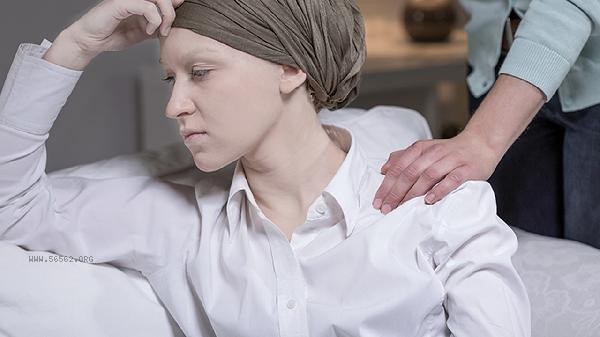
4. Physiological changes
Physical problems such as hyperthyroidism and hypoglycemia may manifest as anxiety symptoms. Common physiological reactions such as palpitations and hand tremors in clinical practice are easily confused with anxiety disorders. It is recommended to undergo a physical examination to rule out organic diseases before considering psychological intervention.
5. Environmental stimuli
Continuous sensory stimuli such as noise pollution and crowded spaces can activate the sympathetic nervous system. Creating a quiet and comfortable resting environment, combined with progressive muscle relaxation training, can significantly reduce anxiety levels caused by environmental factors.

In daily life, try the 478 breath method to regulate autonomic nervous system function, maintain aerobic exercise three times a week to promote endorphin secretion, and establish a stable social support system. When anxiety continues to affect social functioning for more than six months, or is accompanied by physical symptoms such as insomnia and changes in appetite, it is recommended to seek professional evaluation from a psychiatric department. Pay attention to avoiding excessive use of substances such as caffeine and alcohol that may exacerbate anxiety, and cultivating hobbies such as painting and gardening that shift attention can also help regulate emotions.




Comments (0)
Leave a Comment
No comments yet
Be the first to share your thoughts!