
The selection of fresh pork can be comprehensively judged through five methods: observing color, touching elasticity, smelling odor, checking fat layer, and checking quarantine signs.
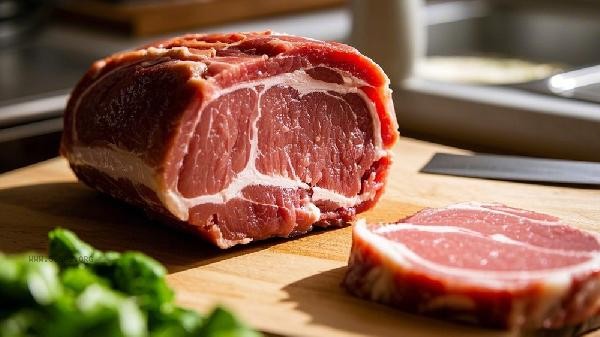
1. Observe the color
Fresh pork muscles appear uniformly light red or light pink, with a glossy surface and a white fat layer. The color of spoiled pork is dark, appearing deep red or grayish green, with yellowish fat. The color of the injected pork is pale, the muscle fibers are loose, and there is obvious water seepage after pressing. When purchasing, you can compare the color differences of different parts to avoid choosing products with abnormal color.
2. Touch elasticity
High quality pork can quickly rebound after pressing, with a slightly wet surface that is not sticky to the hand. The texture of spoiled pork is soft and difficult to recover after pressing, with a sticky surface. Frozen pork should maintain its original elasticity after thawing. If it feels soft or has too much water, it may repeatedly freeze and thaw. When touching, be careful to avoid meat chunks that have been sprayed with water by vendors for preservation.
3. Smell
Fresh pork has a slight fishy smell but no odor, while spoiled meat may emit a sour or putrid odor. Glued pork may have a chemical odor, and long-term frozen meat often has a rancid taste. When purchasing, the vendor can request to cut open the meat pieces and smell the internal odor, avoiding meat products that use spices to mask the odor.

4. Check the fat layer
Healthy pork has a moderate fat thickness, a porcelain white color, and a tight texture. The fat layer of dead pigs is thin and yellowish, and there may be blood clots or parasites. Pork with lean meat powder added to feed has obvious fat and muscle stratification, with less than 1 centimeter of fat. Choose areas where fat is evenly distributed and tightly integrated with muscles.
5. Viewing Quarantine Marks
Pork sold through legitimate channels should have a blue quarantine inspection seal and a QR code that can trace breeding information. There is a lack of quarantine certificates for privately slaughtered meat, which poses a risk of parasites or veterinary drug residues. When purchasing pre packaged meat products, it is necessary to check the production date, storage conditions, and SC code to avoid purchasing products that are close to their expiration date.
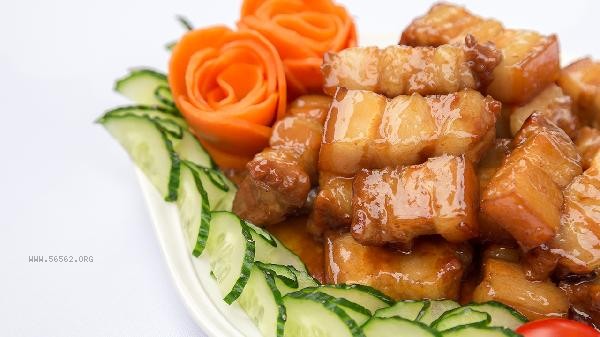
It is recommended to prioritize cold fresh meat for daily purchases, as its full cold chain transportation can better maintain quality. Refrigerate and store within 2 hours after purchase to avoid repeated thawing. When processing raw meat, use a specialized cutting board and ensure that the center temperature reaches 70 degrees Celsius or above during cooking. Special populations should reduce their intake of fatty meat and choose low-fat areas such as pork loin and leg meat. If you notice any unusual odor or discomfort after consuming meat, you should immediately stop eating and seek medical attention.








Comments (0)
Leave a Comment
No comments yet
Be the first to share your thoughts!