
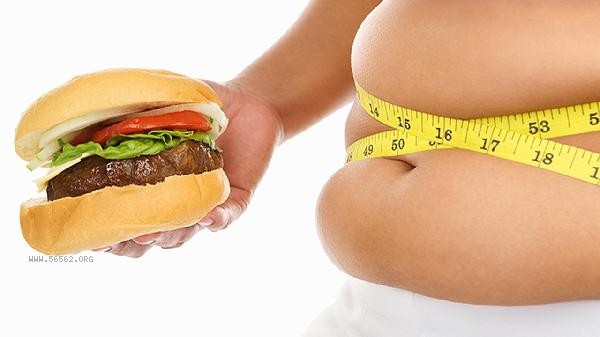
Male obesity may be related to genetic factors, unhealthy dietary habits, lack of exercise, abnormal hormone levels, psychological stress, and other factors. Obesity usually manifests as symptoms such as weight exceeding the standard range, increased body fat percentage, and increased waist circumference. It is recommended to seek medical attention promptly and control weight through lifestyle adjustments or medication under the guidance of a doctor.
1. Genetic factors
Some male obesity is related to familial genetic predisposition. When one or both parents are obese, the probability of offspring developing obesity may increase. This type of situation is usually accompanied by characteristics such as low basal metabolic rate and easy accumulation of fat. Daily weight monitoring should be strengthened to avoid high calorie diets. If necessary, a nutritionist can be consulted to develop a personalized dietary plan.
2. Poor dietary habits
Long term intake of high-fat and high sugar foods, excessive alcohol consumption, overeating, and other behaviors can lead to excessive calorie intake. Especially nighttime eating and fast food dependence are more likely to cause visceral fat accumulation. Suggest reducing the intake of refined carbohydrates, increasing the proportion of vegetables, fruits, and high-quality protein, and using low-fat cooking methods such as steaming and cold mixing.
3. Lack of exercise
Sitting for long periods of time in the office and insufficient exercise can result in energy expenditure being lower than intake. A decrease in muscle mass can also lower resting metabolic rate, forming a vicious cycle. It is recommended to engage in 150 minutes of moderate intensity aerobic exercise per week, such as brisk walking, swimming, etc., combined with impedance training to enhance muscle utilization efficiency of glucose.
4. Abnormal hormone levels
Insufficient testosterone secretion or elevated estrogen levels may promote fat deposition, commonly seen in middle-aged and elderly men or those with pituitary dysfunction. When accompanied by symptoms such as decreased libido and reduced body hair, six levels of sex hormones need to be tested. Doctors may recommend injecting testosterone preparations or using medication such as testosterone undecylate soft capsules for intervention.
5. Psychological stress
Long term anxiety and depression may induce central obesity through elevated cortisol levels. Some people may exhibit emotional eating behavior. Stress can be relieved through mindfulness training, psychological counseling, and short-term use of antidepressants such as fluoxetine hydrochloride capsules if necessary, but the course of treatment must be strictly controlled according to medical advice. Obese men should establish a regular schedule and ensure 7-8 hours of sleep to avoid disturbances in leptin secretion. Adopt the principle of timed and quantitative diet, replace refined rice and flour with coarse grains, and drink no less than 2000 milliliters of water per day. It is recommended to start with low intensity gradually to avoid joint injuries during exercise. When combined with metabolic diseases such as hypertension and diabetes, it needs to be controlled under the guidance of endocrinologists.




Comments (0)
Leave a Comment
No comments yet
Be the first to share your thoughts!