
The 3-day fasting weight loss method does not comply with medical recommendations for weight loss, may pose health risks, and cannot achieve true weight loss. Scientific weight loss should be achieved through reasonable dietary adjustments and moderate exercise, and fasting is not an efficient weight loss plan.
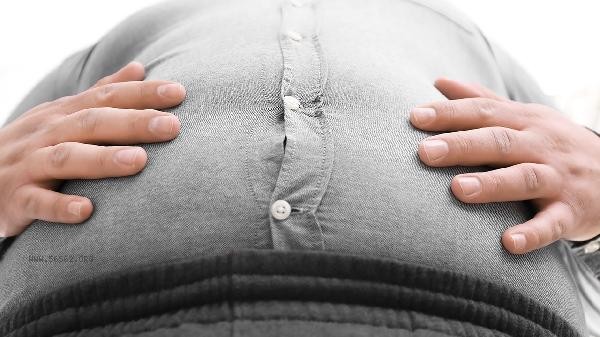
Short term fasting can lead to a decrease in basal metabolic rate, and when the body enters energy-saving mode, it will prioritize the breakdown of muscles over fat. Fasting for 3 days may be accompanied by hypoglycemic reactions such as dizziness and fatigue, and may cause electrolyte imbalances. The lack of food stimulation in the intestines during fasting actually reduces peristalsis function, and the so-called intestinal cleansing and detoxification effect lacks scientific basis. Rapid weight loss mainly results in water and muscle loss, which can easily rebound after resuming diet. Long term use of extreme fasting may induce gallbladder disease and malnutrition, and women may experience menstrual disorders.
During weight loss, it is recommended to maintain a daily calorie intake of 1200-1500 calories and adopt a high protein, low-carbon diet with moderate amounts of coarse grains. 150 minutes of moderate intensity aerobic exercise combined with strength training per week can protect muscles and improve fat burning efficiency. Drinking 2000 milliliters of water daily promotes metabolism and ensures 7 hours of sleep, which helps with leptin secretion. It is recommended to record daily diet and exercise, and lose 0.5-1 kilogram per week as a safe range. If you need professional guidance, you can consult a nutritionist to develop a personalized plan.








Comments (0)
Leave a Comment
No comments yet
Be the first to share your thoughts!