
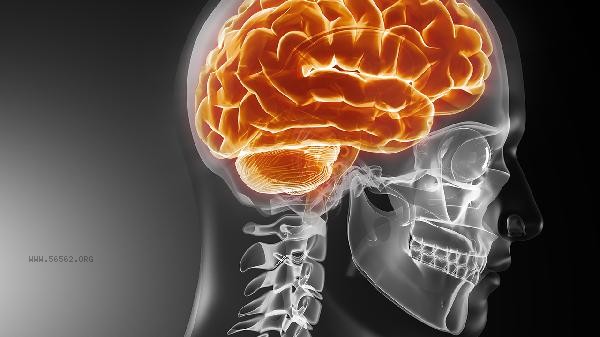
The main methods of memory training include associative memory, numerical encoding, spatial memory, story linking, image memory, homophonic memory, grouped memory, repetitive memory, mind mapping, positional memory, sleep consolidation, emotional association, sensory coordination, interval repetition, Feynman learning, exercise activation, dietary regulation, mindfulness meditation, etc. Scientific training can effectively improve memory efficiency, but it is necessary to choose appropriate methods based on individual characteristics.
1. The associative memory method
strengthens memory by establishing associations between new information and known things. Transforming abstract concepts into concrete images, such as combining historical events with real-life scenarios. This method utilizes the brain's sensitivity to concrete information and is suitable for memorizing scattered knowledge points. Training can start with simple word associations and gradually transition to complex concepts.
2. Digital encoding method
is a systematic memory technique that converts numbers into specific images. If 0-9 correspond to images such as light bulbs and swans, combine them into a continuous image. This method has a significant effect on memorizing long strings of numbers, dates, etc., and is commonly used by participants in the World Memory Championships. A stable digital coding system needs to be established in the initial stage.
3. Spatial memory method
is an ancient memory technique that uses spatial location to store information. Choose a familiar place such as your own room and virtually place the information to be recorded in a specific location. Extracting information through a 'psychological walk' during recollection. This method is suitable for memorizing ordered list like content and can stimulate the spatial cognitive function of the brain.
4. Story concatenation method
weaves discrete information into logical stories for memory. By naturally linking key words through plot development, the more absurd the story, the deeper the memory. Suitable for memorizing daily information such as shopping lists and task lists. During training, it is important to maintain the coherence and visual appeal of the story clues.
5. Image Memory Method
converts textual information into vivid visual images for storage. The brain's memory efficiency for images is thousands of times that of text, and can be enhanced with elements such as exaggeration, dynamics, and color. This method is particularly suitable for memorizing visual information such as names and faces, and requires continuous practice of image transformation ability.
6. Homophonic Memory Method
is a technique that uses pronunciation similarity to create memory clues. Remember the number "13" with "an umbrella". This method has a good effect on memorizing professional terminology, foreign language words, etc. During training, it is important to pay attention to the strength of the association between homophones and their original meanings. Overly forced homophones can actually increase memory burden.
7. Grouping memory method
is a memory strategy that processes a large amount of information in blocks according to rules. Divide the 11 digit phone number into three segments: 3-4-4. This method reduces cognitive load by reducing the number of memory units and is suitable for memorizing sequential information such as numbers and letters. Grouping can be based on different dimensions such as semantics and rhythm.
8. Repetitive memory method
strengthens memory traces through scientific intervals of repetition. According to the Ebbinghaus forgetting curve, the review time points are arranged, with a higher frequency of review in the early stages and gradually increasing intervals in the later stages. This method is crucial for maintaining long-term memory and needs to be used in conjunction with memory monitoring tools.
9. Mind mapping method
is a memory tool that uses radial shapes to organize information. The central theme extends to various levels of branches, integrating multidimensional elements such as text, symbols, and colors. This method can activate both left and right brain functions simultaneously, making it suitable for memorizing knowledge systems and complex concepts. Pay attention to hierarchical logic and visual balance when drawing.

10. Position memory method
is a spatial technique for locating information in virtual scenes. Similar to spatial memory method but emphasizing positional accuracy, each information point corresponds to specific coordinates. This method is suitable for memorizing large amounts of unrelated information and requires the establishment of a stable psychological map as a memory carrier.
11. Sleep consolidation method
is a physiological method that uses sleep cycles to enhance memory. Review important content 1-2 hours before bedtime, and the brain will reorganize memory during sleep. This method is particularly effective for procedural memory and requires maintaining a regular sleep schedule to ensure sleep quality. Taking a nap at noon also helps with memory integration.
12. Emotional association method
is a strategy that enhances memory strength through emotional arousal. Emotional events activate the amygdala, promoting memory consolidation. During training, emotional colors can be added to neutral information, such as encoding emotions like excitement and surprise. Be careful to avoid excessive negative emotions affecting memory retrieval.
13. Sensory synergy method
is a memory enhancement technique that mobilizes multiple sensory channels. Simultaneously using multiple encodings such as visual, auditory, tactile, etc., such as reading and writing at the same time. This method increases the recall probability by increasing the memory dimension, making it suitable for memorizing difficult content. Pay attention to the synchronization of sensory information during training.
14. Interval repetition method
is a memory strategy for reviewing at the optimal forgetting time point. Unlike simple repetition, it emphasizes arranging review intervals based on the pattern of memory decline. This method can maximize memory efficiency and requires the use of interval repetition software or a self-made review schedule.
15. Feynman Learning Method
simplifies the teaching of cognitive strategies for consolidating memory. Retell knowledge in your own language and identify gaps in understanding, then simplify and revise in a loop. This method strengthens memory through deep processing and is suitable for long-term retention of conceptual knowledge. When implementing, it is necessary to assume real teaching objects.
16. Exercise activation method
is a physiological method that enhances memory function through physical activity. Aerobic exercise promotes the secretion of brain-derived neurotrophic factors and improves brain plasticity. This method is particularly effective in preventing memory decline, and it is recommended to engage in moderate aerobic exercise every week in conjunction with memory training.
17. Dietary regulation method
is an auxiliary means of optimizing memory function through nutrient intake. Moderate supplementation of foods rich in phospholipids and antioxidants, such as deep-sea fish and nuts. This method requires long-term persistence to show results and should be combined with other memory training methods.
18. Mindfulness and Dark Thoughts
is a psychological technique that enhances memory through focused training. Regular meditation can thicken the prefrontal cortex and improve working memory capacity. This method is helpful in alleviating memory anxiety, and it is recommended to start practicing for a short period of time every day and gradually establish a meditation habit.
Memory training requires systematic planning and continuous practice. It is recommended to choose a combination of 3-5 methods for use. In the initial stage, emphasis can be placed on technical methods such as image memory, and in the later stage, physiological and psychological regulation can be strengthened such as exercise meditation. Maintain a fixed training time every week and track progress with memory tests. Pay attention to supplementing high-quality protein and unsaturated fatty acids in diet, and control the intake of refined sugar. Establish a regular sleep rhythm to avoid staying up late and affecting memory consolidation. Memory enhancement is a gradual process that requires maintaining reasonable expectations and avoiding cognitive fatigue caused by overtraining. In case of severe memory impairment, timely medical attention should be sought to investigate pathological factors.




Comments (0)
Leave a Comment
No comments yet
Be the first to share your thoughts!