
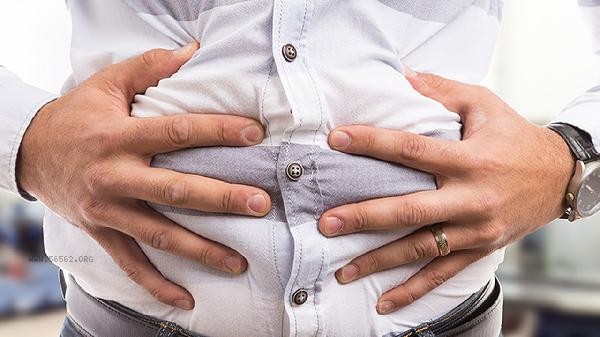
Constipation during weight loss may cause temporary weight gain, but in the long run it will not directly lead to fat accumulation. The weight fluctuations caused by constipation are mainly related to factors such as retention of intestinal contents and abnormal water absorption. If the dietary structure suddenly changes during the weight loss process, such as reducing carbohydrate intake or insufficient dietary fiber, it may cause a slowdown in intestinal peristalsis. Prolonged retention of feces in the colon can lead to excessive absorption of water, resulting in dry and hard feces that are difficult to excrete. The accumulation of feces and gas in the intestines can cause an increase in the weight scale, but this increase is a physical retention rather than fat growth. Some people experience a decrease in basal metabolic rate due to dieting, which further exacerbates constipation symptoms due to disrupted gut microbiota, forming a vicious cycle. In rare cases, certain weight loss drugs such as orlistat may interfere with fat absorption, causing undigested fat to combine with calcium to form saponifications, leading to difficulty in defecation. When patients with endocrine disorders such as hypothyroidism lose weight, low metabolic rate can simultaneously induce constipation and edema, and pathological factors should be monitored for weight gain. Improper use of diuretics or laxatives may cause electrolyte imbalances and exacerbate intestinal dysfunction.

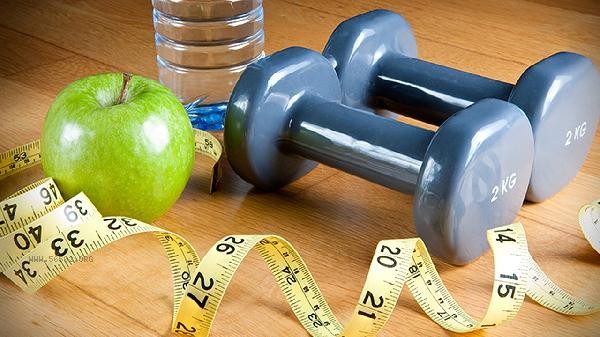
It is recommended to increase daily water intake to over 2000 milliliters, choose foods rich in dietary fiber such as broccoli and oats, and promote intestinal peristalsis with moderate aerobic exercise. You can follow the doctor's advice to use lactulose oral solution, Bacillus subtilis bifidobacterium enteric coated capsules, etc. to regulate intestinal function and avoid long-term dependence on irritating laxatives. If constipation is accompanied by symptoms such as abdominal pain and bloody stool for more than two weeks, it is necessary to seek medical attention promptly to rule out organic diseases.








Comments (0)
Leave a Comment
No comments yet
Be the first to share your thoughts!