
Type 1 diabetes patients usually do not return to normal after losing weight, but reasonable weight control can help improve blood glucose management. Type 1 diabetes is an autoimmune disease that leads to destruction of pancreatic islet β cells and requires lifelong insulin therapy.
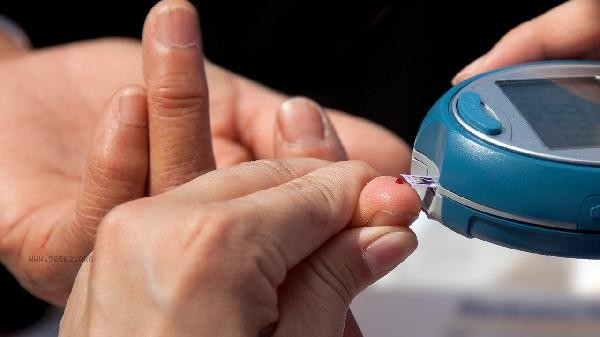
The pathogenesis of type 1 diabetes is different from that of type 2 diabetes. Weight loss cannot reverse the damaged islet function. The patient must maintain their life through exogenous insulin replacement therapy due to absolute insulin deficiency. Weight management is mainly achieved through optimizing insulin dosage, adjusting dietary structure, and increasing exercise. These measures can reduce insulin resistance and lower the risk of cardiovascular complications, but cannot restore one's own insulin secretion function. Clinical data shows that even if the weight meets the standard, patients still need to strictly monitor their blood sugar and continue to use insulin.
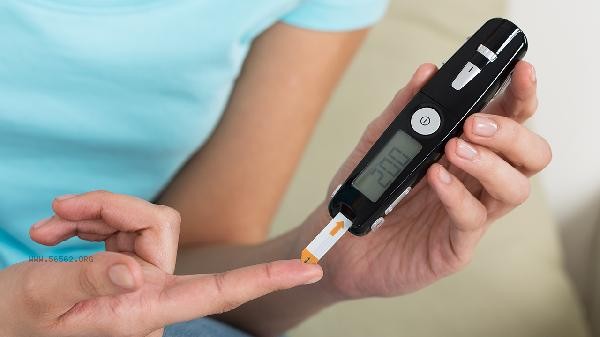
Very few patients with early type 1 diabetes may have a temporary reduction in insulin consumption in the "honeymoon period", which is related to the temporary recovery of residual β cells, rather than the direct result of weight loss. As the condition progresses, pancreatic function will still be completely lost. At present, there is no intervention method that can reconstruct islet β cells in type 1 diabetes patients, and stem cell therapy and other cutting-edge methods are still in the experimental stage.
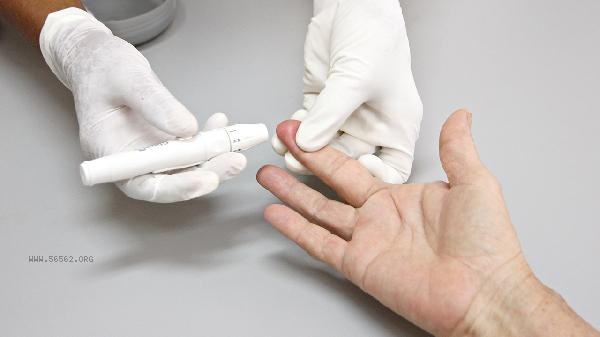
It is suggested that patients with type 1 diabetes should develop a personalized weight management program under the guidance of doctors, adopt a low carbohydrate diet with regular exercise, and use a dynamic blood glucose monitoring system to optimize insulin consumption. At the same time, attention should be paid to the prevention of hypoglycemia and regular screening of complications such as diabetes nephropathy and retinopathy. Maintaining a reasonable weight may not cure diseases, but it has a positive impact on prolonging the honeymoon period and improving quality of life.








Comments (0)
Leave a Comment
No comments yet
Be the first to share your thoughts!