
Rice mold may produce aflatoxin, but not all mold will occur. Aflatoxin is mainly produced by specific molds such as Aspergillus flavus. If moldy rice is contaminated with Aspergillus flavus, the risk is higher. The presence of aflatoxin in moldy rice is closely related to the storage environment. Under high temperature and high humidity conditions, Aspergillus flavus is more likely to reproduce and secrete toxins, especially in unsealed or damp rice. Mold growth is characterized by yellowing, greenish discoloration, or the appearance of black spots, accompanied by a pungent moldy smell. This type of moldy rice requires high vigilance. Aflatoxin is heat-resistant and highly toxic, and long-term intake may damage the liver.
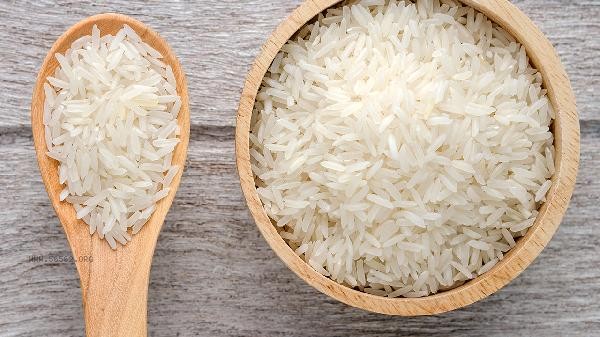
Some mold growth may be caused by other fungi, such as Penicillium or Rhizopus, which usually do not produce aflatoxin, but still pose a risk of other fungal toxins. Slightly moldy rice, even after washing or high-temperature steaming, cannot completely remove toxins. It is recommended to discard it directly.
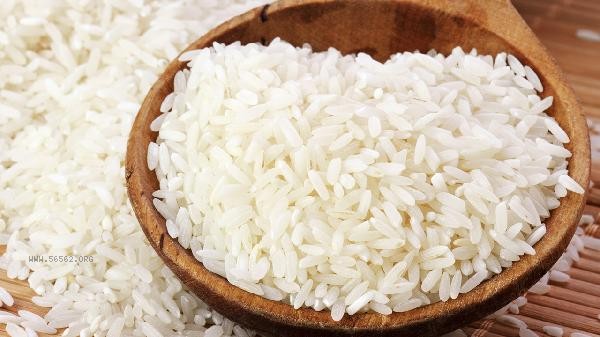
Daily storage of rice should be placed in a cool and dry place, and sealed containers should be used to isolate the air. Regularly check the condition of rice to avoid hoarding too much. If mold is found, do not consume it. Pregnant women, children, and liver disease patients should be even more cautious. It is recommended to rotate consumption with miscellaneous grains to reduce the storage pressure of a single staple food, while also paying attention to dietary diversity to reduce food safety risks.








Comments (0)
Leave a Comment
No comments yet
Be the first to share your thoughts!