
Thawing meat at room temperature for 10 hours is usually not recommended for consumption as it may breed bacteria. Long term exposure to room temperature after thawing meat can easily lead to the proliferation of microorganisms and increase the risk of food poisoning.
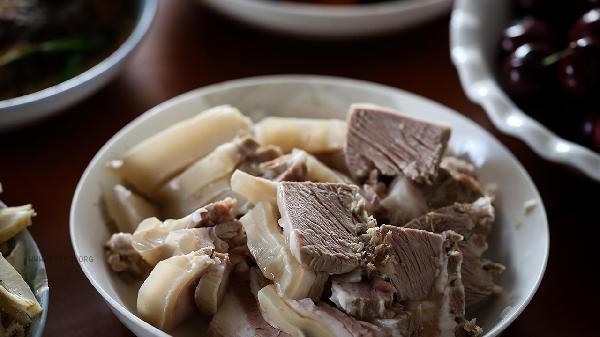
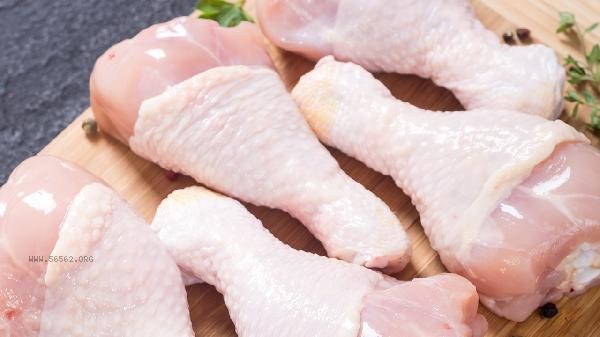
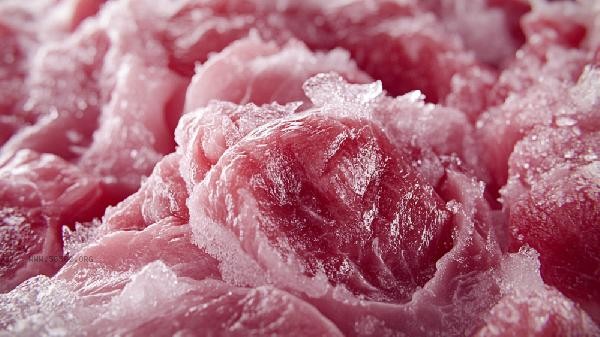
Meat belongs to the dangerous temperature range of 5-60 degrees Celsius, and the bacterial growth rate will significantly accelerate. During the thawing process, the internal temperature of the meat gradually increases, and surface moisture seeps out to form a culture medium, providing growth conditions for pathogenic bacteria such as Salmonella and Staphylococcus aureus. 10 hours is enough to bring the number of bacteria to a potentially pathogenic level, and even re cooking at high temperatures cannot completely eliminate certain bacterial toxins. If the meat is originally in a good frozen state and the ambient temperature is below 20 degrees Celsius, the growth rate of microorganisms will be relatively slowed down. But when stored in high temperatures or enclosed spaces during summer, the risk of corruption is higher. Meat with high fat content, such as pork and poultry, is more prone to rancidity due to oxidation, while vacuum packaged meat may delay surface spoilage due to oxygen isolation but cannot prevent anaerobic bacterial growth. To ensure food safety, it is recommended to use low-temperature thawing in a refrigerator, soaking in cold water, or rapid thawing in a microwave oven. Thawed meat that has been left at room temperature for more than 2 hours should be discarded, and it should never be consumed if it has a sticky, unpleasant odor, or turns green in color. Daily small pieces can be divided and frozen to reduce thawing time. Before cooking, fully heat to a center temperature of over 70 degrees Celsius and maintain for more than 1 minute.








Comments (0)
Leave a Comment
No comments yet
Be the first to share your thoughts!