
Peanuts may produce Aspergillus flavus after being stored for a long time, mainly due to factors such as high humidity, suitable temperature, prolonged storage time, damaged shells, and exposure to pollution sources.
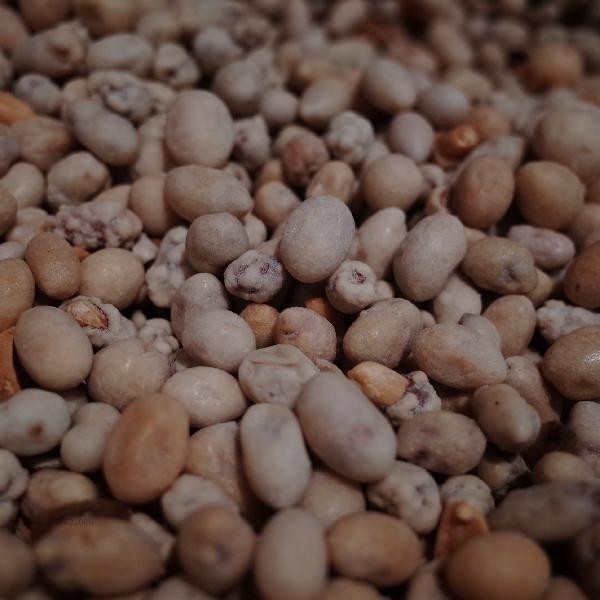
1. High humidity storage environment
Aspergillus flavus is prone to breed in humid environments, and if peanuts are stored in environments with humidity exceeding 70%, the risk of mold growth significantly increases. It is recommended to place peanuts in a dry and ventilated place, using sealed containers or adding food desiccants. Peanut skin may develop mold spots in humid environments and require regular inspection.
2. Suitable temperature
An environment of 25-30 degrees Celsius is most suitable for the reproduction of Aspergillus flavus, and special attention should be paid to storing peanuts in summer or warm areas. Low temperature storage can effectively inhibit mold growth, and peanuts can be refrigerated in the refrigerator. An environment with large temperature fluctuations can accelerate the deterioration of peanuts, so they should be stored at a constant temperature.
3. Prolonged storage time
After storing peanuts for more than 6 months, the probability of mold growth increases significantly. Although shelled peanuts have a longer shelf life, regular inspections are still necessary. When purchasing, fresh peanuts should be chosen and consumed as soon as possible to avoid long-term hoarding. Shelled peanuts are more prone to spoilage, and it is recommended to consume them within 1-2 months.
4. Shell damage
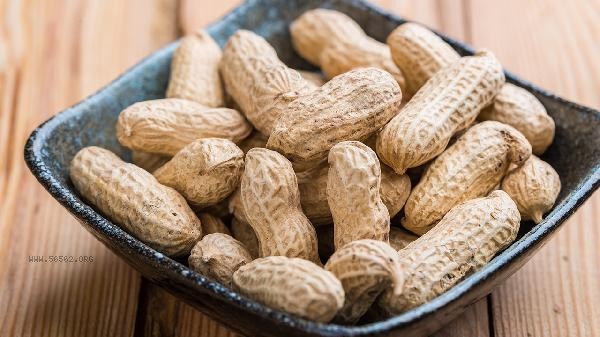
Peanut shell damage can cause the kernels to come into direct contact with air, increasing the risk of mold growth. When selecting, avoid choosing peanuts with cracked shells and store them gently to reduce mechanical damage. Damaged peanuts should be stored separately and given priority for consumption, while moldy peanuts should be discarded in whole packages.
5. Exposure to pollution sources
and co storage with moldy grains can lead to cross contamination, and the storage area should be kept clean and regularly disinfected. Before use, carefully check whether peanuts have green or gray black mold spots. Moldy peanuts can produce highly toxic aflatoxins. If mold is found, it should be dealt with immediately to avoid the spread of toxins.
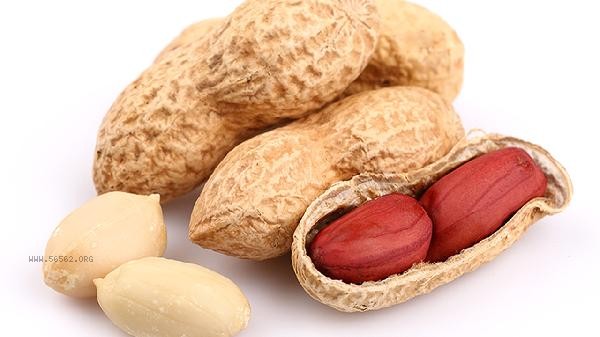
For daily storage of peanuts, it is recommended to choose a cool and dry place, use sealed cans or vacuum packaging, and regularly check for signs of mold. Before consumption, you can smell the odor first. Moldy peanuts have a crackling or moldy taste. Mildly moldy peanuts are difficult to completely remove toxins even when heated at high temperatures, and it is recommended to discard them directly. Special groups such as pregnant women and liver disease patients should avoid consuming peanuts that have been stored for too long. They can choose to purchase fresh peanuts in small packages in batches. If you accidentally eat moldy peanuts and experience symptoms such as abdominal pain, you should seek medical attention and examination in a timely manner.








Comments (0)
Leave a Comment
No comments yet
Be the first to share your thoughts!