
Mature apples release ethylene, a natural plant hormone produced during the natural metabolic process of plants. Ethylene plays a key role in the ripening process of fruits, mainly promoting fruit ripening, accelerating chlorophyll decomposition, inducing fruit softening, affecting the ripening of other fruits, and regulating plant growth and development.
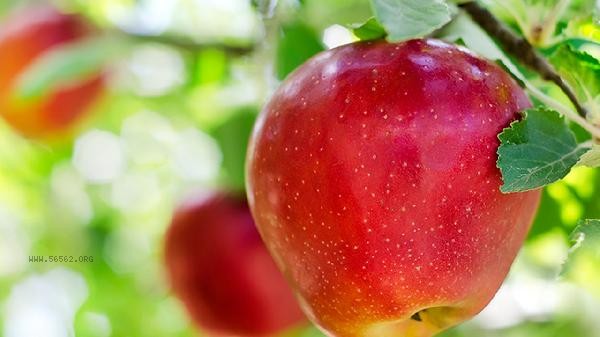
1. Promote fruit ripening
Ethylene can activate gene expression related to ripening in the fruit, promoting the conversion of starch into sugars. This transformation increases the sweetness of the fruit, while enhancing pectinase activity leads to softening of the flesh. The ethylene released by apples not only affects their own ripening process, but also accelerates the ripening speed of surrounding fruits.
2. Accelerating chlorophyll decomposition
Ethylene inhibits chlorophyll synthesis and promotes its degradation, which is an important reason for the green to red transformation of apple skin. After chlorophyll decomposition, pigments such as carotenoids and anthocyanins appear, forming the typical appearance characteristics of ripe apples. This process is also accompanied by a decrease in fruit acidity and accumulation of aromatic substances.
3. Inducing fruit softening
Ethylene stimulates the synthesis of cell wall degrading enzymes, such as gelatinase and cellulase. These enzymes break down pectin substances in the cell wall, making intercellular connections loose. The decrease in fruit hardness is an important sign of apple ripening, which directly affects the taste of consumption.

4. Affects the ripening of other fruits
The ethylene released by apples has diffusivity and can trigger the ripening reaction of surrounding fruits. This effect is particularly evident when storing mature apples and immature fruits in a sealed space. There are differences in the sensitivity of different fruits to ethylene, with bananas, kiwis, and other fruits showing stronger reactions to ethylene.
5. Regulating plant growth and development
In addition to promoting fruit ripening, ethylene also participates in various physiological processes in plants. Including promoting leaf aging, regulating flowering time, and affecting root development. During the growth cycle of apple trees, ethylene and other plant hormones jointly regulate the transition from vegetative growth to reproductive growth.

When storing fruits in daily life, ripe apples can be stored separately from other fruits to avoid ethylene accelerating the ripening of other fruits. When certain fruits need to be ripened, unripe fruits and apples can be placed in a paper bag and sealed for 1-2 days. Maintaining a well ventilated storage environment can effectively reduce ethylene concentration and extend the shelf life of fruits. When choosing apples, it is advisable to choose fruits without obvious mechanical damage, as wounds can significantly increase ethylene release. Understanding the mechanism of action of ethylene can help us preserve and process various fruits more scientifically.








Comments (0)
Leave a Comment
No comments yet
Be the first to share your thoughts!