
The improvement of diabetes symptoms after weight loss may be related to the increase of insulin sensitivity and blood glucose metabolism after weight loss. Type 2 diabetes patients can significantly improve blood sugar control through weight loss, and some patients can even achieve clinical remission.

Obesity is an important inducement of type 2 diabetes, and excessive accumulation of adipose tissue will lead to insulin resistance and impaired glucose regulation. After weight loss, visceral fat decreases, liver and muscle sensitivity to insulin improves, pancreatic beta cell function pressure decreases, and blood sugar levels decrease accordingly. Research shows that 5-10% weight loss can significantly improve fasting blood glucose and glycosylated hemoglobin indicators, and some obese diabetes patients with short course of disease can achieve drug withdrawal relief through strict weight loss. In addition to weight factors, dietary structure adjustment also plays a key role in the weight loss process. Reducing the intake of refined carbohydrates can lower postprandial blood sugar fluctuations, increasing dietary fiber intake can delay sugar absorption, and regular exercise can promote muscle glycogen consumption. These lifestyle changes collectively form the basis for metabolic improvement. It should be noted that not all patients with diabetes can reverse their condition by losing weight, and patients with type 1 diabetes and advanced type 2 diabetes still need to rely on drug treatment.
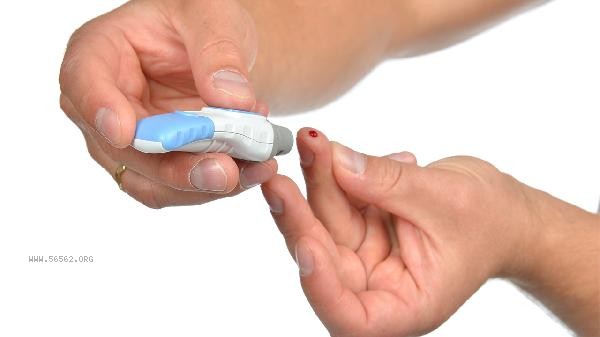
It is recommended that diabetes patients develop scientific weight loss plans under the guidance of doctors, adopt the intervention method of low glycemic index diet combined with aerobic exercise, and regularly monitor the changes in blood sugar. Patients who have achieved remission of blood sugar must still maintain a healthy lifestyle, and carry out diabetes related screening every year to be alert for relapse. When experiencing symptoms of hypoglycemia such as palpitations and sweating during weight loss, it is necessary to seek medical attention promptly and adjust the treatment plan.









Comments (0)
Leave a Comment
No comments yet
Be the first to share your thoughts!